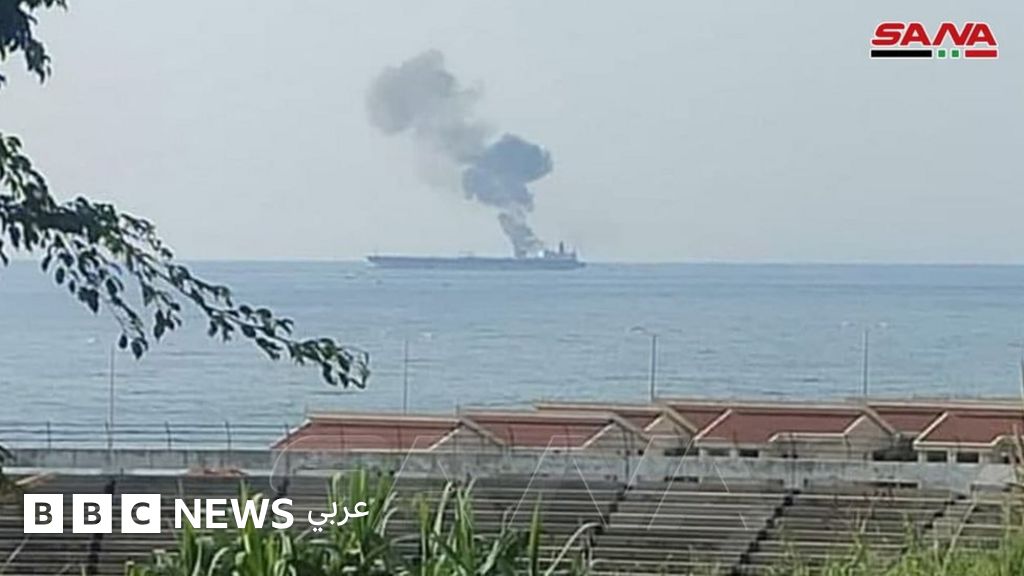
The Iraqi Ministry of Oil revealed today, Thursday, strategic plans aimed at developing the oil export system. These plans include the establishment of a new export pipeline towards the Syrian port of Banyas. Additionally, they involve increasing export capacity through the Turkish port of Ceyhan to approximately 650,000 barrels per day.
According to the Deputy Minister of Oil, Bassem Mohammed Khudair, in a statement to the Iraqi News Agency, Iraq has two main routes for oil transport. The first is the route within the Kurdistan Region, with a capacity of 900,000 barrels per day, while the second is the main pipeline extending from Kirkuk to Fishkhabour, with a capacity reaching 1.5 million barrels per day. This pipeline has previously suffered damage and is currently undergoing rehabilitation.
Details of the Event
Khudair pointed out that the current operational capacity of the main pipeline is about 350,000 barrels per day, with plans to increase it to 500,000 barrels after completing rehabilitation works. The production from the Kirkuk fields could contribute approximately 250,000 barrels per day to export operations through the port of Ceyhan.
Regarding the Kurdistan Region of Iraq, the Deputy Minister of Oil noted that the export volume before the crisis was around 200,000 barrels per day, with the potential to raise it to 400,000 barrels, which would allow reaching a total export capacity that could approach 650,000 barrels per day, depending on increased production in local fields.
Background & Context
These plans come at a sensitive time for Iraq, as it seeks to enhance its export capabilities amid the economic and political challenges it faces. Iraq heavily relies on oil revenues, making the diversification of export outlets vital for ensuring the stability of the national economy.
Historically, Iraq has depended on exporting oil through limited ports, making it vulnerable to fluctuations in global markets. By establishing new pipelines, Iraq aims to reduce reliance on specific routes, especially amid geopolitical tensions in the region.
Impact & Consequences
If these plans are successfully implemented, they will enhance Iraq's ability to export oil more efficiently, potentially leading to increased national revenues. Furthermore, diversifying export outlets will enable Iraq to address challenges associated with the Strait of Hormuz, which is a critical point in global oil movement.
Moreover, opening the field for Iraqi and foreign companies to compete in executing the project could contribute to improving service quality and increasing investments in the oil sector, thereby boosting economic growth in the country.
Regional Significance
These plans are of significant importance to the Arab region, as enhancing Iraq's oil export capacity could affect global prices and promote market stability. Additionally, cooperation with Syria and Jordan in this area could open new horizons for economic collaboration among Arab countries.
In conclusion, these plans represent a strategic step towards enhancing Iraq's ability to adapt to economic and political changes, reflecting the importance of oil as a fundamental element in the national economy.