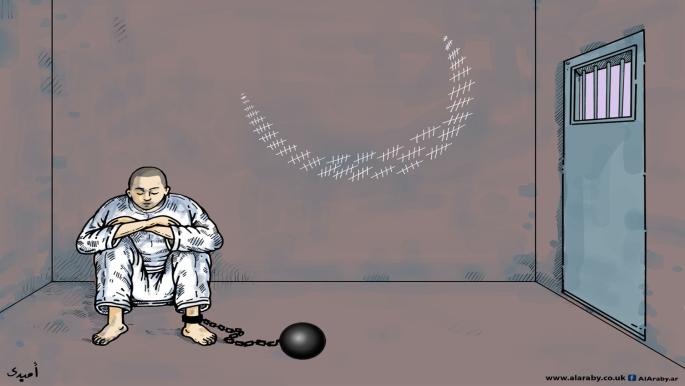
The Israeli Knesset has passed a law that grants the state full authority to execute Palestinian prisoners, without any guarantees for a fair trial. This law, considered one of the most extreme and brutal in the world, raises significant concerns in human rights and political circles.
This move comes amid escalating tensions between Israel and the Palestinians, reflecting the current Israeli government's trend towards increased severity in dealing with prisoners. This legislation is seen as a blatant violation of international human rights standards, which guarantee the right to a fair trial.
Details of the Law
The new law grants Israeli authorities broad powers to issue death sentences against Palestinian prisoners without the need to present sufficient evidence or legal guarantees. This decision comes at a time when international criticism of Israel is increasing due to human rights violations, particularly regarding the treatment of Palestinian prisoners.
The provisions of the law allow for the swift execution of sentences, raising concerns about the potential use of this as a means to pressure Palestinians or as part of a policy of collective punishment. This law has faced strong opposition from human rights organizations, which argue that it represents a step towards increased violence and discrimination.
Background & Context
Historically, Israeli-Palestinian relations have been marked by ongoing tensions, with Palestinian rights frequently being violated. Thousands of Palestinians have been detained in Israeli prisons, many of whom are held without trial. This law comes in the context of an increasing Israeli policy of harshness in dealing with prisoners, reflecting a shift in the political vision of the current Israeli government.
It is noteworthy that laws concerning the treatment of Palestinian prisoners have always been a subject of extensive debate, as human rights violations are part of the ongoing conflict. Similar laws have been issued in the past, but this new law is considered the most severe.
Impact & Consequences
This law is expected to have serious repercussions on the security and political situation in the region. It may lead to an escalation of violence between Palestinians and Israelis, increasing polarization within Israeli society itself. Additionally, it could negatively impact peace efforts, as it is seen as a step towards further tensions.
Moreover, this law may cause a deterioration in relations between Israel and the international community, as the Israeli government is expected to face increasing pressure from human rights organizations and countries advocating for human rights. This could lead to sanctions or other measures against Israel.
Regional Significance
This law serves as a wake-up call for Arab countries, reflecting the rising tensions in the region and increasing concerns about human rights. This may provoke strong reactions from Arab nations, which could call for more stringent stances against Israeli policies.
Furthermore, this law could affect relations between Arab countries and Israel, especially in light of the normalization attempts that have taken place in the region in recent years. Arab nations may find themselves compelled to reassess their relations with Israel in light of this dangerous development.
In conclusion, this law represents a dangerous step towards further human rights violations and reflects the extremist tendencies of the current Israeli government. The current situation requires a concerted effort from both international and local communities to pressure Israel to halt these policies and emphasize the necessity of respecting human rights.