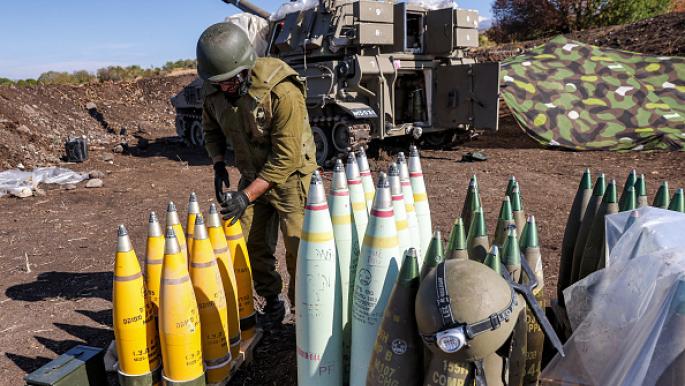
The Israeli Ministry of Defense announced its decision to stop security purchases from France, aiming to explore alternatives in other European countries while enhancing reliance on local industry.
This move comes at a time when relations between Israel and France are strained, as the Israeli government seeks to reduce dependence on foreign suppliers. Official sources indicated that the ministry is working to identify new options that include other European countries, alongside strengthening the capabilities of the local defense industry.
Details of the Decision
Reports indicate that the Israeli Ministry of Defense has already begun discussions with several European countries to secure alternatives for military equipment previously imported from France. This equipment includes air defense systems and advanced weapons, which are deemed essential for enhancing Israeli military capabilities.
Officials also noted a growing interest in developing the local defense industry, as the government aims to support Israeli companies in this sector. New budgets have been allocated to support research and development in security industries.
Background & Context
Historically, France has been one of the prominent suppliers of weapons and military equipment to Israel, contributing advanced technology. However, relations between the two countries have deteriorated in recent years due to France's political stance on the Israeli-Palestinian conflict.
Israel seeks to diversify its arms sources, especially amid increasing tensions in the region. These tensions have affected relations with several European countries, prompting the Israeli government to explore new options.
Impact & Consequences
This decision could significantly impact military relations between Israel and European countries, potentially leading to a reassessment of military cooperation between the two sides. Additionally, strengthening the local industry may contribute to creating new job opportunities and stimulating the Israeli economy.
On the other hand, this move may increase competition among European countries to offer better deals to Israel, potentially altering the balance of power in the European arms market.
Regional Significance
This step is particularly significant for the Arab region, as it may lead to increased tensions in relations between Israel and Arab countries. If Israel succeeds in enhancing its military capabilities through new sources, it could escalate the conflict in the region.
Moreover, bolstering the local defense industry may grant Israel more independence in its military decisions, which could affect the strategies of Arab countries in dealing with security threats.
In conclusion, this move reflects the dynamic changes in international relations and highlights the importance of diversifying arms sources, which may impact regional security overall.