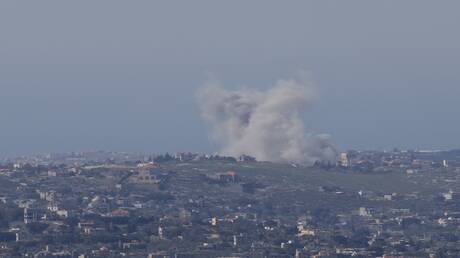
Israeli forces have conducted a series of airstrikes on southern Lebanon, directly responding to attacks carried out by Hezbollah in the Galilee region. This military escalation occurs during a sensitive time marked by increasing tensions in the area.
These airstrikes are part of an Israeli strategy aimed at deterring Hezbollah, which has launched rockets and drones towards Israeli territory. Reports indicate that the Israeli attacks targeted military sites belonging to the party in southern Lebanon, resulting in the destruction of several facilities.
Details of the Incident
According to Israeli broadcasting authority, the airstrikes targeted strategic sites of Hezbollah, believed to be used for launching rockets. The strikes caused significant damage to the military infrastructure of the party, reflecting an unprecedented escalation in the conflict between the two sides.
At the same time, local sources in Lebanon confirmed that the airstrikes caused severe damage, with several homes and civilian facilities destroyed, leading to panic among local residents. These developments come at a time when the region is experiencing increasing tensions, raising concerns about a larger escalation that could lead to an all-out conflict.
Background & Context
Historically, the Lebanese-Israeli border has witnessed recurring tensions, with Hezbollah being one of the prominent armed factions challenging Israel. Since the 2006 war, there have been several rounds of escalation between the two sides, but this time the situation appears more serious. The exchanged statements between both sides indicate that they are prepared for further escalation if the situation persists.
These events occur amid increasing regional and international pressures on Lebanon, which is suffering from a crippling economic crisis. This situation may make Hezbollah more inclined to use force as a means to bolster its position domestically, complicating the circumstances in the region further.
Impact & Consequences
The military escalation between Israel and Hezbollah could lead to serious repercussions for regional security. Should the fighting continue, regional and international powers may intervene, further complicating the conflict. Additionally, any escalation could negatively impact peace and stability efforts in the region, especially given the multiple crises facing neighboring countries.
Moreover, the escalation may increase tensions between Israel and other Arab countries, particularly those with ties to Hezbollah. This situation could open the door to further conflicts in the region, threatening overall regional security.
Regional Significance
The ongoing events between Israel and Hezbollah hold significant importance for Arab countries, reflecting the security challenges facing the region. The military escalation could affect relations between Arab nations and Israel, especially in light of recently signed normalization agreements.
Furthermore, the situation in Lebanon impacts regional security, as any escalation could lead to a flow of refugees into neighboring countries, increasing the economic and social burdens on those nations. Ultimately, there remains hope that the international community can intervene to calm the situation and prevent the conflict from worsening.