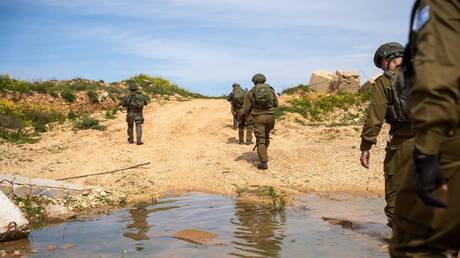
The Israeli army reported that its 91st division managed to eliminate dozens of individuals described as 'terrorists' during direct clashes that occurred in southern Lebanon over the past twenty-four hours. These operations are part of the Israeli army's efforts to enhance security in border areas, where tensions have escalated recently.
The operations carried out by Israeli forces involved precise monitoring and targeting, utilizing advanced techniques to identify target locations. The army indicated that these clashes are a response to increasing security threats posed by armed groups in the region.
Details of the Clashes
According to official reports, the clashes in southern Lebanon were marked by intense confrontations, with firearms used extensively. Reports indicated that Israeli forces were able to achieve their objectives swiftly, reflecting their high readiness and capability to deal with threats.
It is noteworthy that these clashes are not the first of their kind, as the region has witnessed an escalation in hostilities between Israeli forces and armed groups, complicating the security situation in Lebanon.
Background & Context
Historically, the border between Lebanon and Israel has been a theater of tensions and conflicts. Since the end of the Lebanese civil war in the 1990s, the region has seen numerous clashes between the Israeli army and Hezbollah, which is considered one of the prominent armed groups in Lebanon. These conflicts have resulted in significant loss of life and destruction of infrastructure in the area.
In recent years, tensions have notably increased, particularly following the rise in military activities by armed groups in southern Lebanon. These events have impacted relations between Lebanon and Israel, making the situation more complex.
Impact & Consequences
These clashes come at a sensitive time, as the Israeli government seeks to bolster its security posture in the face of regional threats. It is expected that these operations will escalate tensions in the region, potentially affecting security and stability in Lebanon.
Furthermore, these events may influence international relations, as there is growing pressure on the international community to intervene to calm the situation. These clashes could provoke reactions from Arab countries and the international community, leading to new diplomatic initiatives.
Regional Significance
The events in southern Lebanon are part of the larger picture of regional security in the Middle East. The rising tensions between Israel and armed groups in Lebanon could affect neighboring countries and increase the likelihood of new conflicts.
Additionally, these developments may impact the economic situation in the region, as ongoing tensions could lead to a decline in investments and tourism, adversely affecting the Lebanese economy, which is already struggling with multiple crises.
In conclusion, the situation in southern Lebanon remains under close observation, as any new escalation could have severe consequences on both regional and international levels.