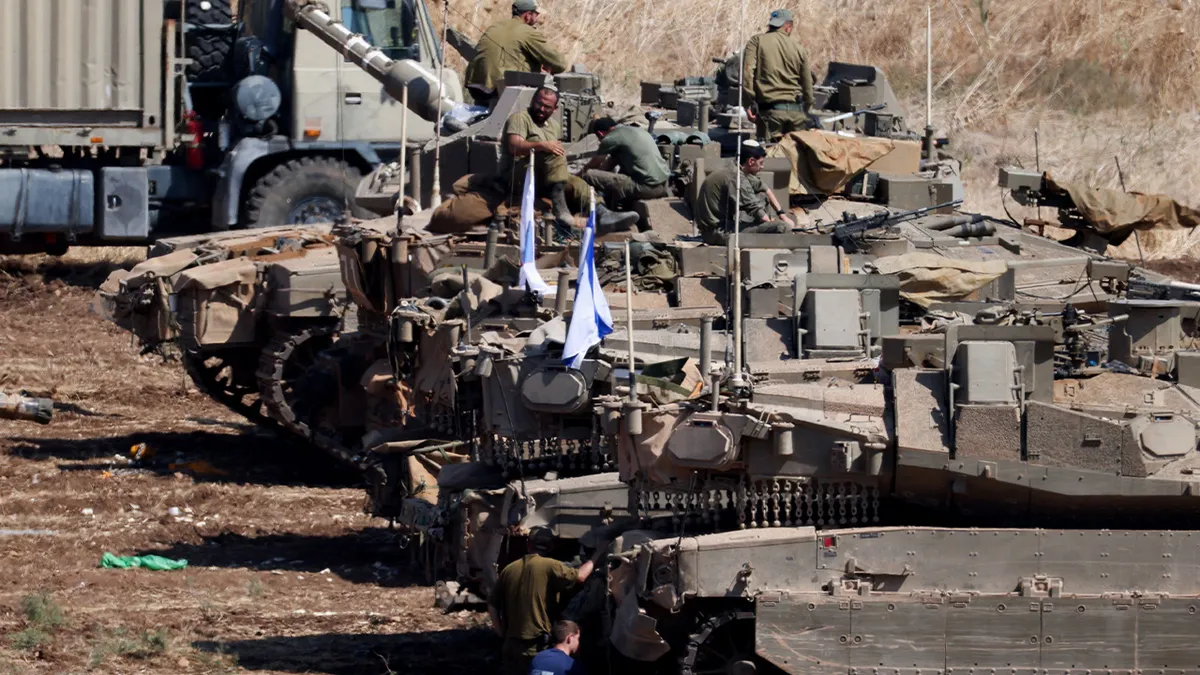
The Israeli Army has reiterated its military plan for Southern Lebanon, emphasizing that this plan includes preventing residents from returning to their areas. These statements come at a sensitive time when the region is experiencing increasing tensions, raising concerns within the international community.
In its recent statements, the Israeli Army clarified that military operations in Southern Lebanon aim to achieve strategic objectives related to national security. It indicated that displacement would be part of these operations, raising fears of serious humanitarian consequences for local populations.
Details of the Situation
These statements follow a series of military operations conducted by the Israeli Army in the region, which have resulted in heightened tensions between Israel and Hezbollah. Media reports have indicated that these operations could lead to the displacement of a significant number of residents, alarming humanitarian organizations.
This declaration is part of a broader strategy adopted by Israel to address security threats in the region, as it seeks to bolster its military presence along the Lebanese border. This has elicited mixed reactions from the international community, with many countries calling for respect for human rights and the right of residents to return to their homes.
Background & Context
Historically, the region has witnessed numerous armed conflicts that have led to the displacement of populations, with the Israeli-Lebanese wars of the 1980s being a prime example. These conflicts have altered the demographic makeup in certain areas, raising questions about the future of local populations amid the current escalation.
In recent years, tensions between Israel and Hezbollah have escalated, particularly following reciprocal attacks along the border. Hezbollah is a prominent military and political force in Lebanon, complicating the security situation in the region.
Impact & Consequences
Analyses suggest that this move could exacerbate humanitarian conditions in Southern Lebanon, where many residents live in difficult circumstances. Displacement operations may increase the number of displaced individuals, putting additional pressure on Lebanon's limited resources.
Moreover, these statements could affect relations between Lebanon and Israel, potentially provoking strong reactions from the Lebanese government and the international community. Such conditions could escalate the conflict, threatening the stability of the region as a whole.
Regional Significance
These events are part of a larger picture concerning conflicts in the Arab region, where the Palestinian issue and other regional disputes remain key factors affecting stability. Tensions in Southern Lebanon could have negative repercussions on neighboring countries, necessitating international intervention to mitigate escalation.
In conclusion, the situation in Southern Lebanon remains under the world's watchful eye, as concerns grow over the implications of these statements on local populations and regional security overall.