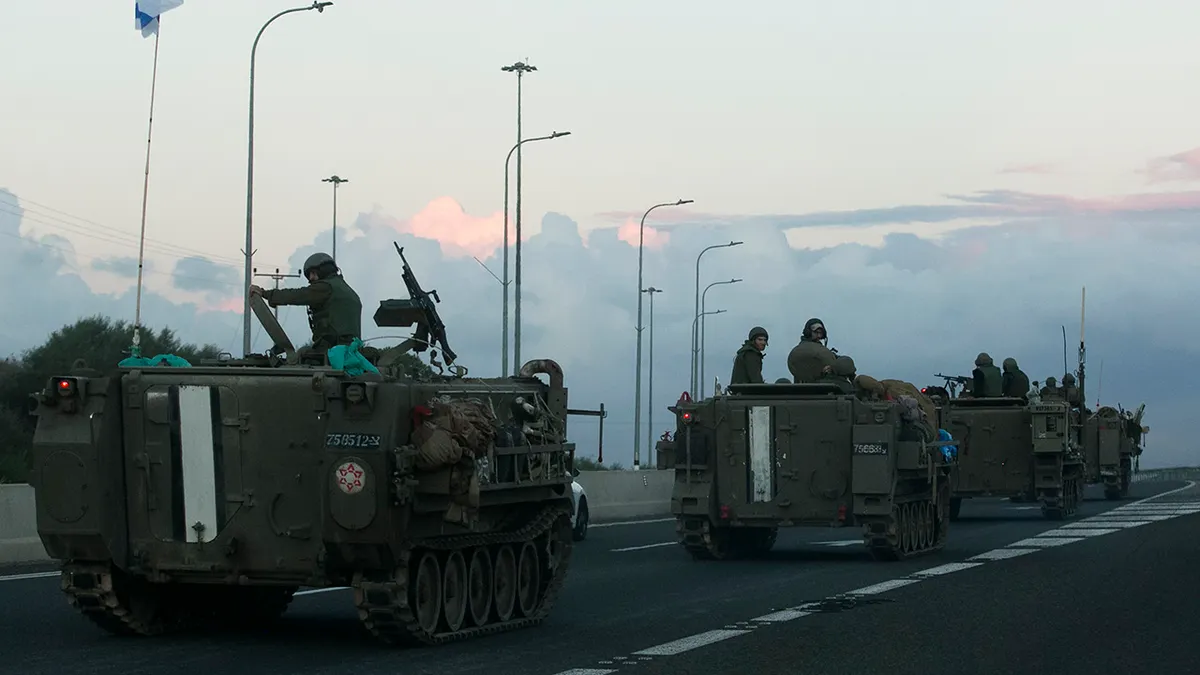
The Lebanese Army announced the death of a soldier and injuries to several others in an Israeli attack that occurred on the Lebanese border. The incident, which took place this morning, comes at a time when the region is experiencing increasing tensions, raising concerns about escalating violence.
According to a statement from the Lebanese Army, the attack was carried out through gunfire from the Israeli side, resulting in injuries to four other soldiers with varying degrees of wounds. The injured were transferred to the hospital for treatment, while security measures along the border were reinforced.
Details of the Incident
This incident is part of a series of increasing tensions between Lebanon and Israel, as the border between the two countries has witnessed many similar incidents in recent months. The Lebanese Army condemned this attack, emphasizing the necessity of respecting Lebanese sovereignty and halting hostilities.
The recent escalation comes after a period of relative calm, during which the situation along the border had shown notable improvement in recent months. However, it seems that conditions have returned to tension, raising fears of a larger conflict in the region.
Background & Context
Historically, the Lebanese-Israeli border has been the scene of numerous armed conflicts, especially during previous wars between the two sides. Since the withdrawal of Israeli forces from Lebanon in 2000, there have been numerous attempts to reach peace agreements, but tensions have not completely disappeared.
In recent years, military activities along the border have increased, with Israel accusing Hezbollah of threatening its security, while Lebanon views Israel as the aggressor. This complex situation makes it difficult to achieve peace and stability in the region.
Impact & Consequences
This incident underscores the need to address the unresolved issues between Lebanon and Israel, as the continuation of escalation could lead to serious repercussions for regional security. These events may affect relations between Lebanon and other Arab countries, especially amid the political and economic crises facing the region.
Moreover, these incidents could lead to increased tensions among political forces in Lebanon, as some parties may exploit these events to bolster their political positions. Therefore, the situation requires significant caution from all parties involved.
Regional Significance
This incident serves as a reminder that conditions in the Middle East remain fragile, and any escalation could have broader implications involving other countries in the region. Given the multiple crises faced by Arab countries, any military escalation could hinder peace and development efforts.
Furthermore, events on the Lebanese-Israeli border may affect relations between Arab countries and Israel, especially amid attempts by some Arab nations to normalize relations with Israel. Thus, the situation requires close monitoring by the international community.
The Israeli attack on the Lebanese border highlights the ongoing tensions in the region and underscores the urgent need for dialogue and understanding among the concerned parties. Under the current circumstances, hope for achieving peace remains elusive, necessitating continuous efforts from all parties to achieve stability in the region.