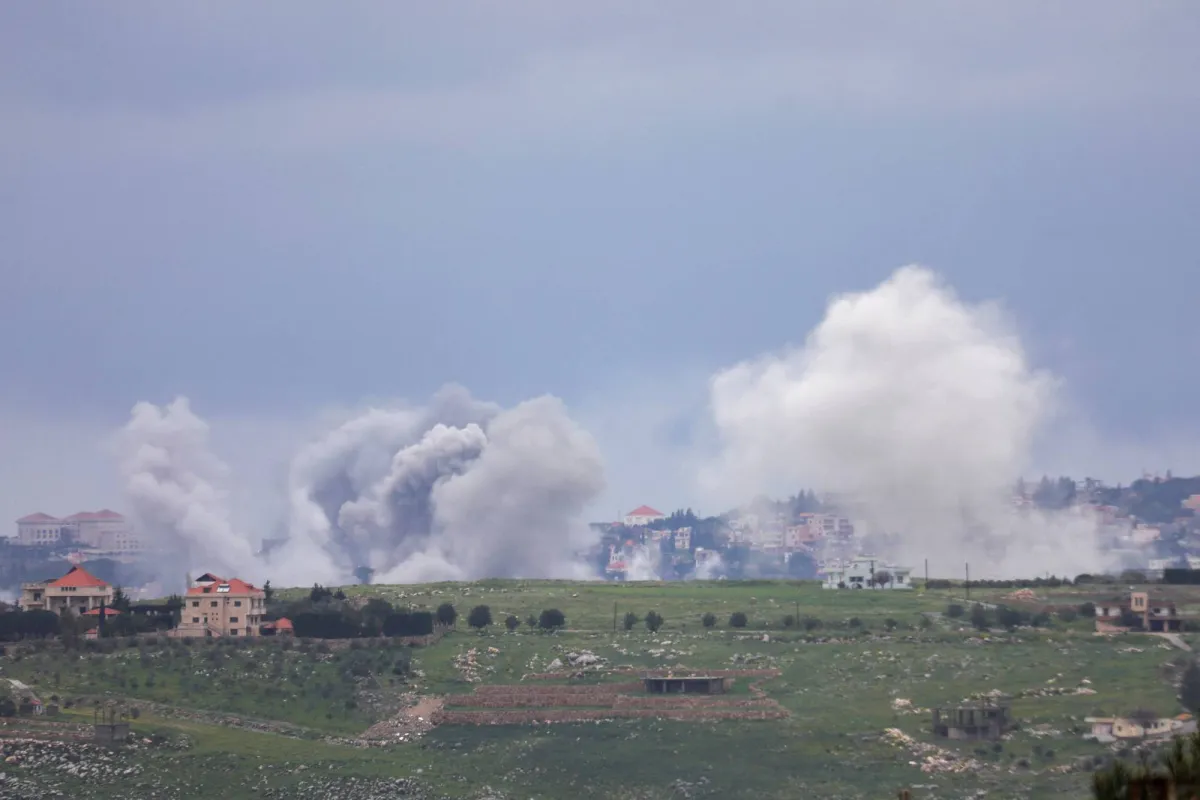
The Israeli army announced on Monday that an Israeli civilian was tragically killed in an incident that took place near the northern border with Lebanon, noting that the victim was struck by their artillery fire. The incident happened on Sunday during military operations intended to support soldiers in the area.
The Israeli military stated after launching an investigation into the circumstances of the incident that preliminary conclusions indicate planning and execution errors which led to artillery fire being directed at an incorrect angle. The army confirmed that the fire was meant to support ground troops but expressed regret over the civilian's death as a result of the incident.
Details of the Incident
On Sunday, Israeli ambulance services reported the death of an individual in the Misgav region due to a shell fired from Lebanon. In response, Hezbollah announced that it targeted Israeli troops stationed in the same area, further escalating tensions along the border. After clarifying the background of the incident, the Israeli army confirmed that investigations are underway to understand the circumstances surrounding the firing.
The army also indicated that the artillery shells it fired were aimed at threats posed by Hezbollah's network, but they landed in Misgav instead of the intended target. They acknowledged that the incident reflects multiple operational issues that need to be addressed.
Context and Background
This incident comes at a time of increased Israeli military operations in southern Lebanon, which began to intensify in March following the death of Iranian leader Ali Khamenei. This ongoing conflict has resulted in over 1,000 casualties in Lebanon, along with large-scale displacement of civilians.
With the continued launching of rockets from Lebanon, skirmishes along the border have become more frequent. This situation signifies a continuation of prior crises nearly leading to flare-ups between Israel and Hezbollah, heightening Israeli fears of any potential military escalation.
Impact and Consequences
The incident underscores the persistent tension and instability in the region, confirming fears of military escalations between Israel and Hezbollah. Waves of violence such as this may impact both local and international fronts, generating calls for international actors to intervene and de-escalate the situation.
Additionally, frequent incidents may affect Israel’s defensive strategies, potentially leading to enhanced military fortifications along the border or expanded military operations in surrounding areas. This may exacerbate the humanitarian crises and increase the burden on civilian populations.
Regional Significance
This event highlights the critical role of Hezbollah in the Israeli-Lebanese conflict, indicating new levels of escalation. The repercussions of this could impact Arab-Israeli relations and reignite discussions about Lebanon's stability and border security.
Any escalation in confrontations could indirectly affect the complex relationships among Arab states, necessitating swift diplomatic moves to avert further conflicts. Key actors in the region, including Arab nations, will closely monitor developments in the situation.