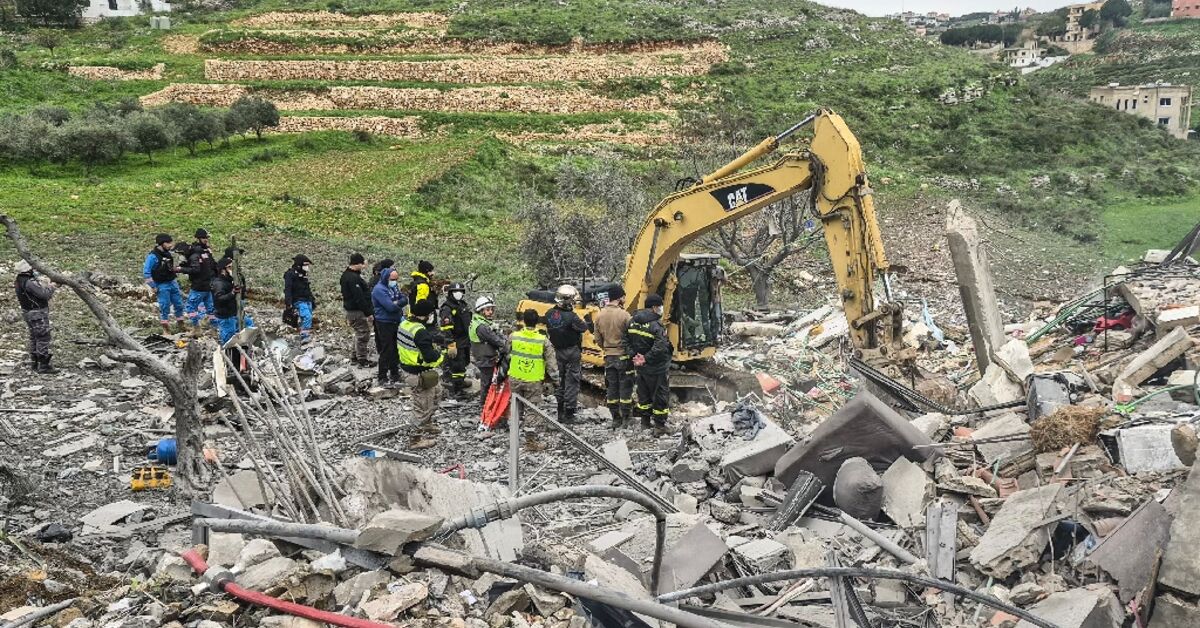
Israeli forces are gradually advancing in southern Lebanon, following a month since the outbreak of war against Hezbollah, raising significant concerns about the fate of the region. These developments come at a sensitive time, as the previous Israeli occupation that lasted nearly two decades remains fresh in the memories of the Lebanese people.
Since the beginning of the war, Israeli officials have stated their intention to create a 'security zone' within Lebanese territory, which raises questions about their true intentions and the implications of this military advance.
Details of the Event
Reports indicate that Israeli forces have begun to carry out increasing military operations in various areas of southern Lebanon, focusing on border regions. These operations are part of Israel's attempt to curb Hezbollah's activities, which the occupation considers a direct security threat.
It appears that Israel is seeking to secure its southern borders by establishing a buffer zone, which could lead to heightened tensions in the area. Some analysts have expressed concern that these steps may lead to a greater escalation in the conflict between the two sides, which could negatively impact the security situation in Lebanon.
Background & Context
Historically, Lebanese-Israeli relations have been marked by ongoing tensions, with the Israeli occupation of southern Lebanon from 1982 to 2000 being one of the most significant events that affected the region. During that period, southern Lebanon suffered the consequences of occupation, including displacement and destruction.
After the withdrawal of Israeli forces in 2000, Hezbollah continued to strengthen its military capabilities, leading to repeated conflicts with Israel, including the 2006 war. This historical background makes it difficult to ignore the fears of a return to Israeli occupation, especially under the current circumstances.
Impact & Consequences
The Israeli military advance in southern Lebanon could have serious implications for regional security. If military operations continue, it may escalate the conflict between Israel and Hezbollah, potentially dragging other countries in the region into the dispute.
Moreover, any new occupation could provoke strong reactions from the international community, especially from Arab countries closely monitoring the situation. This could lead to increased pressure on Israel to retract its military policies in Lebanon.
Regional Significance
The repercussions of events in southern Lebanon extend beyond Lebanese borders, as any escalation in the conflict could affect the stability of the entire region. Neighboring Arab countries, such as Syria and Jordan, may find themselves in a sensitive position requiring them to take clear stances regarding the unfolding events.
Ultimately, the situation in southern Lebanon remains under scrutiny, as any new developments could significantly impact regional security and relations between Arab states and Israel. It is crucial to closely follow events to understand the true dimensions of this renewed conflict.