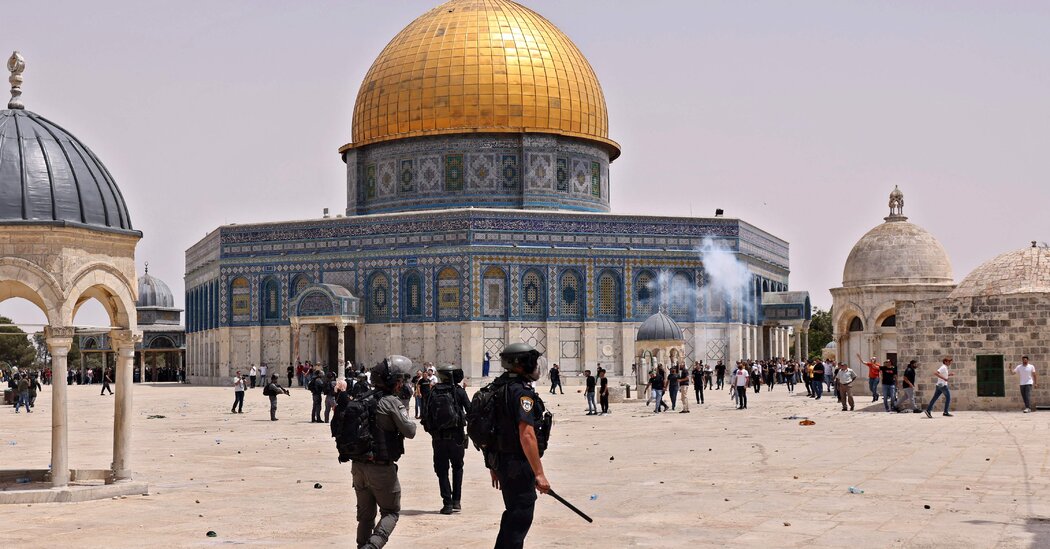
The Israeli occupation continues to close Al-Aqsa Mosque for the 30th consecutive day, raising widespread concern among Palestinians and Arabs. The Israeli military campaign has intensified, with extensive arrests of Palestinians, further escalating tensions in the region.
These steps come at a sensitive time, as occupied Jerusalem witnesses increasing tensions, especially with the approach of religious occasions. Many human rights organizations have expressed their concern over the ongoing violations faced by Palestinians, including restrictions on freedom of worship.
Details of the Incident
Since the beginning of the closure, Al-Aqsa Mosque has seen a significant decline in the number of worshippers, as many Palestinians have been prevented from entering the holy site. Reports have documented arrests of dozens of young Palestinians, who were taken to interrogation centers, provoking widespread condemnation among the public.
Local sources have reported that occupation forces continue to deploy military checkpoints around Al-Aqsa Mosque, making access to it increasingly difficult. This measure is part of the occupation's policy aimed at controlling sacred sites in Jerusalem.
Background & Context
Historically, Al-Aqsa Mosque is considered a symbol of Palestinian resistance and has witnessed numerous assaults and violations by the Israeli occupation. Since 1967, when Israel occupied East Jerusalem, Al-Aqsa has become a focal point of conflict between Palestinians and Israelis.
These events coincide with rising tensions in the region, as international calls to halt Israeli violations increase. Many Arab countries have expressed their concern over the deteriorating situation in Jerusalem, urging the international community to intervene to protect Palestinian rights.
Impact & Consequences
These events underscore the escalating tensions in the region, which could lead to new confrontations between Palestinians and occupation forces. The continued closure of Al-Aqsa and the arrest of Palestinians may affect relations between Israel and Arab countries, especially amid ongoing peace efforts.
It is expected that these actions will provoke strong reactions from the international community, as Israel may face greater diplomatic pressure to end these policies. Furthermore, the continuation of the current situation could exacerbate humanitarian conditions in the Palestinian territories.
Regional Significance
The events in Jerusalem are part of the broader Arab-Israeli conflict, affecting relations between Arab states and Israel. The ongoing violations at Al-Aqsa could escalate positions in Arab countries and may push governments to adopt harsher stances toward the occupation.
The situation at Al-Aqsa raises significant concern among Arab populations, as the mosque is a symbol of Islamic and Arab identity. Any assault on Al-Aqsa evokes feelings of anger and protest that the region has witnessed in the past.
In conclusion, the situation at Al-Aqsa Mosque remains under close observation, with expectations that tensions will continue in the coming days. The international community is called upon to act to protect Palestinian rights and ensure freedom of worship at sacred sites.