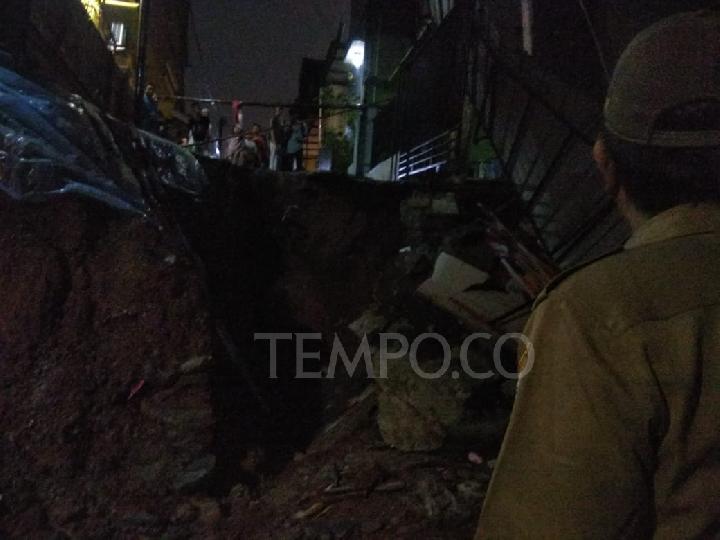
Traffic on the Bandung-Garut road in Indonesia's Java Island has come to a standstill due to a landslide, significantly affecting travelers returning after the Eid al-Fitr holiday. The incident occurred in the Kadungora area, where heavy rainfall triggered the landslide, leading to the road being closed to vehicles.
The landslide caused severe traffic congestion, with many travelers stuck for hours, leading to their frustration. Local authorities are working to clear the debris and reopen the road as soon as possible, but the ongoing rainfall complicates their efforts.
Details of the Incident
The landslide occurred late yesterday, as the area was experiencing heavy rainfall. Reports indicate that the landslide resulted in large amounts of soil and rocks falling onto the road, making passage impossible. Rescue teams have been dispatched to the site to assist in clearing the debris and providing aid to stranded travelers.
The Kadungora area is mountainous, making it prone to landslides, especially during the rainy season. Residents and travelers have been warned of potential hazards, but the recent incident highlights the urgent need for infrastructure improvements and better safety measures.
Background & Context
Historically, Indonesia has experienced numerous landslides, particularly in mountainous regions. This is attributed to climate change and increased heavy rainfall, which heighten the risk of landslides. In recent years, the Indonesian government has intensified efforts to improve infrastructure and implement safety measures, yet incidents continue to occur.
The Eid al-Fitr holiday is one of the busiest periods in Indonesia, as millions travel to their villages and towns to celebrate with their families. This pressure on infrastructure increases the likelihood of incidents such as landslides.
Impact & Consequences
The impact of the landslide on traffic was significant, with many travelers delayed for extended periods, disrupting their plans. This incident also underscores the urgent need for infrastructure improvements in the country, particularly in disaster-prone areas.
Such incidents require a swift response from local authorities, who must provide support to stranded travelers and ensure their safety. There is also an urgent need to implement preventive measures to reduce future risks.
Regional Significance
While this event may seem distant from the Arab region, the effects of climate change and landslides can have global repercussions. Many Arab countries face similar challenges due to climate change, necessitating international cooperation to address these issues.
Indonesia is one of the countries suffering from the impacts of climate change, which should serve as a lesson for Arab nations on how to prepare for natural disasters.
Incidents like landslides highlight the importance of improving infrastructure and implementing safety measures worldwide. Countries must work together to confront climate challenges and ensure the safety of their citizens.