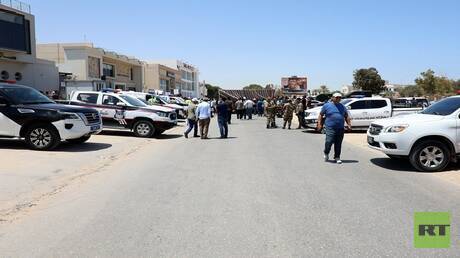
Widespread protests erupted in the Siraj area of the Libyan capital, Tripoli, where hundreds of citizens gathered to express their rejection of migrant resettlement projects. These protests led to the closure of the UN High Commissioner for Refugees (UNHCR) office, reflecting a state of social and political tension in the country.
These protests come at a time when Libya is suffering from multiple crises, including internal conflicts and economic challenges, complicating the situation for refugees and migrants. Protesters indicated that resettlement could exacerbate the economic and social conditions in the country, increasing pressure on limited resources.
Details of the Event
Protesters gathered in the main square of the Siraj area, chanting slogans condemning resettlement projects, which they believe threaten national identity and increase the challenges facing Libya. The office was completely shut down, halting the daily activities of the UNHCR.
At the same time, security forces were present in the area, but no violent confrontations between protesters and police were reported. However, the atmosphere was charged with tension, as demonstrators expressed their dissatisfaction with government policies regarding refugees.
Background & Context
Historically, Libya has witnessed a significant influx of migrants and refugees, particularly from sub-Saharan African countries. The country has become a major transit point for migrants seeking to reach Europe. With the increasing number of migrants, the Libyan government has begun implementing policies aimed at regulating this flow, leading to new social and economic problems.
The UNHCR is the body responsible for providing support and assistance to refugees in Libya, but it faces significant challenges amid the volatile security and political situation. Many activists have criticized the policies followed by the UNHCR, arguing that they do not adequately meet the needs of refugees.
Impact & Consequences
These protests highlight the growing public discontent with government policies towards migrants and may increase pressure on the Libyan government to change its strategies. Additionally, these events could affect Libya's relations with the international community, especially with humanitarian organizations operating in the country.
If these protests continue, they could exacerbate the security situation in the country, negatively impacting the lives of both citizens and refugees. Furthermore, these events may raise concerns among neighboring countries facing similar issues.
Regional Significance
Libya is one of the countries facing multiple crises, and the current situation reflects the challenges faced by many other Arab countries. With the increasing number of refugees and migrants in the region, there is a pressing need for comprehensive solutions that address the root causes of the problem.
The current conditions in Libya require greater international cooperation, as Arab countries and the international community must work together to find effective solutions that ensure the rights of refugees and help stabilize the region. The events in Libya could serve as a model for what might happen in other countries if migration issues are not addressed appropriately.
In conclusion, the protests in Tripoli reflect a state of anxiety and dissatisfaction regarding government policies related to refugees, necessitating a reevaluation of these policies to ensure the stability of the country and the rights of migrants.