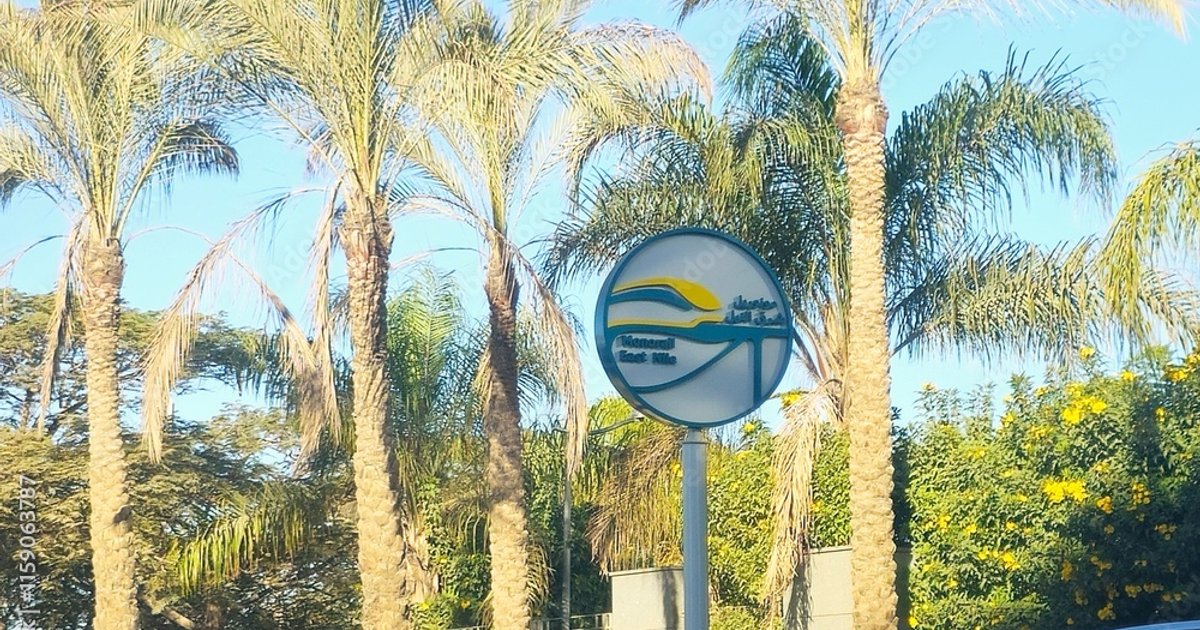
Officials have announced the actual operation of the Monorail East of the Nile, which connects Nasr City to the New Administrative Capital. The line passes through 22 stations, facilitating transportation in the area and enhancing citizens' ability to reach their destinations quickly and efficiently.
This project is part of the Egyptian government's plan to develop transportation infrastructure, aiming to alleviate traffic congestion and improve the quality of life in the capital. The monorail has been designed to be an environmentally friendly mode of transport, relying on electric power to reduce harmful emissions.
Event Details
The monorail line extends over a distance of 54 kilometers, starting from Nasr City and passing through several vital areas before reaching the New Administrative Capital. This project is expected to significantly reduce travel time between the two cities, allowing travelers to reach their destinations in record time.
The stations have been equipped with modern technologies to ensure passenger comfort, including air conditioning systems, information display screens, and other facilities that enhance the travel experience.
Background & Context
This initiative comes as part of the Egyptian government's efforts to develop the public transportation network, with the New Administrative Capital representing an ambitious project aimed at accommodating population growth and providing an integrated urban environment. This project was announced within the framework of Egypt's Vision 2030, which aims to achieve sustainable development.
Historically, Egypt has witnessed many major projects in the transportation sector, but the monorail project is among the most advanced, combining modern technology with a forward-looking vision for urban transport.
Impact & Consequences
The Monorail East of the Nile is expected to improve the quality of life for citizens by reducing traffic congestion and providing more efficient transportation options. It will also enhance investment opportunities in the region, likely attracting more companies and investors to the New Administrative Capital.
Moreover, this project reflects the Egyptian government's commitment to infrastructure development, which may lead to an improvement in Egypt's international ranking in transportation and public services.
Regional Significance
The Monorail East of the Nile serves as a model for the Arab region, where the Egyptian experience can inspire other countries seeking to develop their infrastructure. Major transportation projects can also contribute to enhancing regional integration and facilitating movement between Arab countries.
In conclusion, the Monorail East of the Nile represents an important step towards achieving a future vision for urban transport in Egypt, reflecting ongoing efforts to improve the quality of life for citizens.