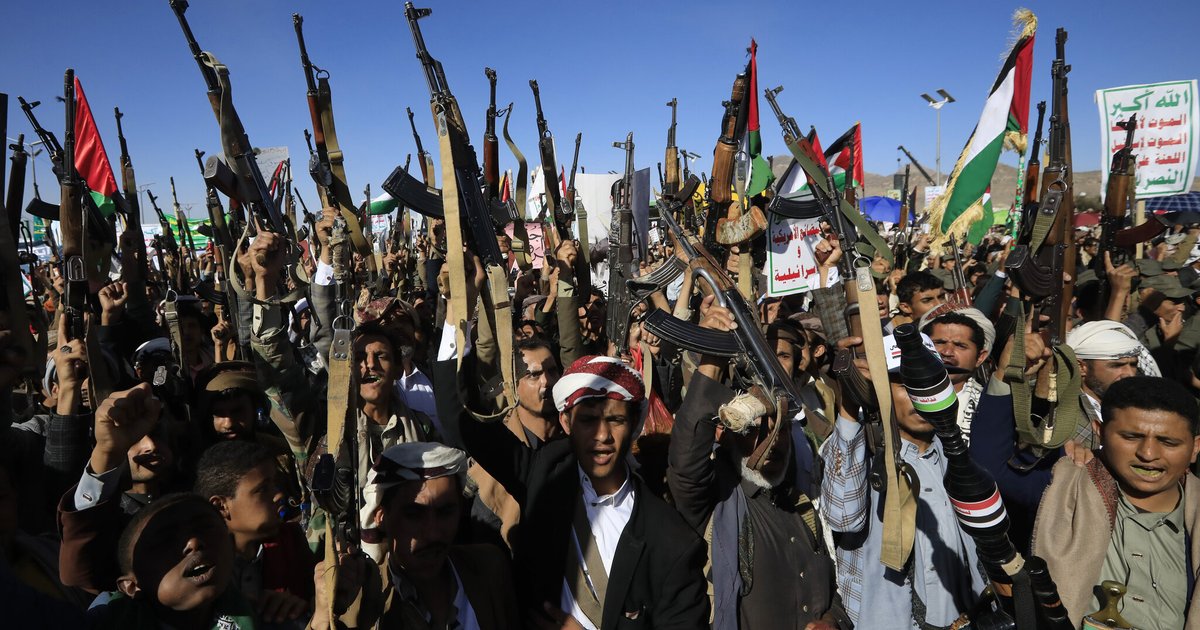
Recent reports have revealed the existence of a government supporting terrorism in the Middle East, causing widespread concern in political and security circles. These accusations come at a sensitive time, as tensions in the region are escalating and political crises are intensifying.
These allegations serve as a wake-up call for the international community, which faces growing challenges in combating terrorism. Experts have pointed out that government support for terrorism could exacerbate security situations and heighten existing conflicts.
Details of the Incident
According to informed sources, the implicated government has provided financial and military support to extremist groups, contributing to enhancing their capabilities to carry out terrorist operations. This information has been monitored through intelligence reports and security analyses, reflecting the magnitude of the challenges faced by neighboring countries.
Investigations have also shown that there is a complex network of relationships between this government and terrorist groups, reinforcing the hypothesis of a systematic strategy to support terrorism in the region. These actions contradict international efforts to combat terrorism and promote security and stability.
Background & Context
Historically, the region has witnessed numerous governments accused of supporting terrorism, but these accusations come at a time when armed conflicts are escalating and extremism is spreading. In recent years, there have been multiple international attempts to address this phenomenon, but the results have been mixed.
These accusations are part of a larger struggle between regional and international powers, where some governments seek to achieve their own interests at the expense of regional security. This situation reflects the complexities of the political landscape in the Middle East, where national interests intertwine with external agendas.
Impact & Consequences
Government support for terrorism could lead to dire consequences for both regional and international security. This may escalate armed conflicts and increase the number of casualties, threatening stability in neighboring countries. Additionally, these actions could lead to international sanctions against the implicated government, further increasing its political and economic isolation.
Moreover, this support may contribute to the rise of extremism and increase the number of recruits within terrorist groups. Therefore, the international community is called upon to intervene urgently to put an end to these practices that threaten international peace and security.
Regional Significance
These accusations represent a significant challenge for Arab countries, which are striving to achieve stability and security in the region. Government support for terrorism could negatively impact the counter-terrorism efforts made by Arab states and complicate security situations further.
Furthermore, these conditions may exacerbate humanitarian crises in the region, where many countries suffer from the effects of armed conflicts. Strengthening cooperation among Arab states to face these challenges is essential for maintaining security and stability in the region.
In conclusion, these accusations highlight the importance of enhancing international efforts to combat terrorism and the necessity of taking decisive actions against governments that support these activities. Regional security relies on cooperation and coordination among states to confront common challenges.