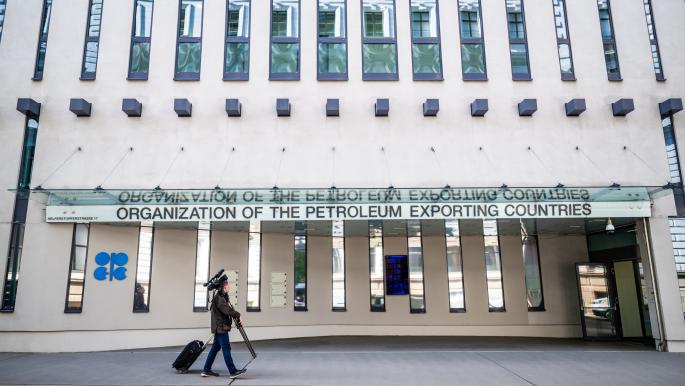
The Organization of the Petroleum Exporting Countries (OPEC) announced on Sunday its decision to increase oil production quotas by 188,000 barrels per day. This move follows a meeting of the OPEC+ alliance, which includes a group of oil-producing nations. The decision involves seven countries from the coalition, reflecting the market's response to the current challenges facing the global oil industry.
This increase is part of OPEC+'s ongoing efforts to achieve balance in the oil market, especially after recent events that affected navigation in the Strait of Hormuz. This strait is one of the most important maritime routes for oil transportation, and any disruptions there could significantly impact prices and supplies.
Details of the Decision
During the meeting held today, an agreement was reached to increase production in July, marking the fourth increase since the closure of the Strait of Hormuz. This step aims to meet the rising demand for oil in global markets, as member countries seek to bolster their supplies amid rising prices.
It is noteworthy that OPEC+ had previously taken several steps to increase production as part of its strategy to adapt to market changes. The current increase comes at a sensitive time, as pressures on producing countries are mounting due to geopolitical tensions and economic challenges.
Background & Context
Historically, OPEC+ has played a pivotal role in stabilizing the global oil market. Since its establishment, it has worked to coordinate production policies among member countries to ensure price stability. However, geopolitical events such as regional conflicts and economic crises directly influence its decisions.
In recent years, oil prices have experienced significant fluctuations due to tensions in the Middle East, particularly in the Strait of Hormuz. This strait is a vital point for oil transportation, and any threats to it could lead to substantial price increases.
Impact & Consequences
The increase in production quotas by OPEC+ could lead to stabilization of oil prices in global markets, which would have a positive impact on oil-dependent economies. At the same time, this increase may exacerbate tensions among producing countries, as each nation strives to maintain its market share.
On the other hand, this move may affect oil-consuming countries, as it is expected to help alleviate inflationary pressures faced by some nations. Additionally, the increase in production could enhance countries' ability to confront economic challenges arising from rising prices.
Regional Significance
Arab oil-producing countries are among the primary beneficiaries of OPEC+'s decision to increase production. This move could enhance the revenues of these nations, contributing to the support of development and investment projects in the region. Furthermore, stability in oil prices may help improve economic conditions in some countries facing financial crises.
In conclusion, it remains to be seen how this increase will impact the global oil market and whether it will succeed in achieving the desired balance. The challenges facing OPEC+ persist, but this step represents a serious attempt to adapt to changing circumstances.