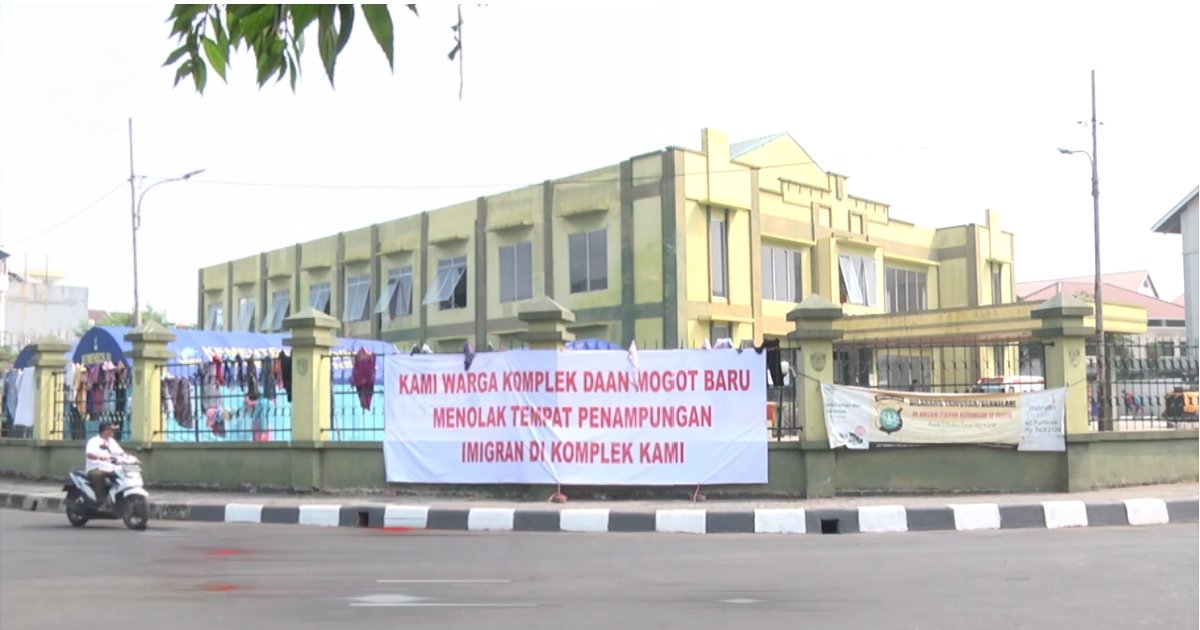
The West Jakarta government (Pemkot Jakbar) opened an administrative center in the Kali Deris area on Monday to provide support for residents affected by the displacement process, which is part of the establishment of a new cemetery in the regions of Pigadungan and Kamal. This center aims to meet the needs of the displaced residents, including offering educational services for their children.
Imron Sjahirin, the assistant for economic and development affairs in the West Jakarta government, explained that the center will handle all administrative matters related to the displacement, including organizing the transfer of residents and their belongings. He emphasized that the displacement process is not just about relocating people but also involves moving furniture and household items.
Details of the Displacement Process
The second phase of the displacement process involves relocating 128 families, equivalent to 606 individuals, with 103 families moved from the Kamal area and 25 families from Pigadungan. The relocation was organized using 26 trucks and 7 buses, facilitating the transition to new housing units.
Upon arrival at their new housing units, keys to the apartments were handed over to the residents, allowing them to immediately move into their new homes. However, approximately 11 families remain in the area, and the government is working to communicate with them until April 5, after which forced eviction measures will be taken if necessary.
Background & Context
This initiative is part of the Indonesian government's efforts to develop infrastructure and improve public services. In recent years, Jakarta has witnessed numerous displacement projects due to the need for land to establish new facilities, such as cemeteries, schools, and health centers. These projects often face challenges concerning the rights of local residents and their basic needs.
Historically, displacement processes in Indonesia have been a controversial topic, requiring a delicate balance between infrastructure development and the protection of citizens' rights. Previous experiences have shown that forced displacement can lead to social tensions and increased poverty.
Impact & Consequences
This displacement process is considered an important step towards improving public services, but it may also have negative effects on the affected communities. Residents may feel anxious about losing their social and cultural identity as they move to new areas. Additionally, providing education and healthcare in the new locations poses a significant challenge for the government.
The government must ensure that all families affected by the displacement receive the necessary support, including education and healthcare, to prevent worsening social and economic conditions. Failure to do so could exacerbate social crises and increase tensions between residents and the government.
Regional Significance
Displacement and migration issues are also significant topics of concern in the Arab world, where many Arab countries have experienced similar situations due to conflicts and wars. Understanding how to manage displacement processes humanely and effectively can provide valuable lessons for Arab nations facing similar challenges.
In conclusion, there must be clear strategies in place to ensure the rights of residents affected by displacement and to provide the necessary support for a smooth and safe transition to their new lives.