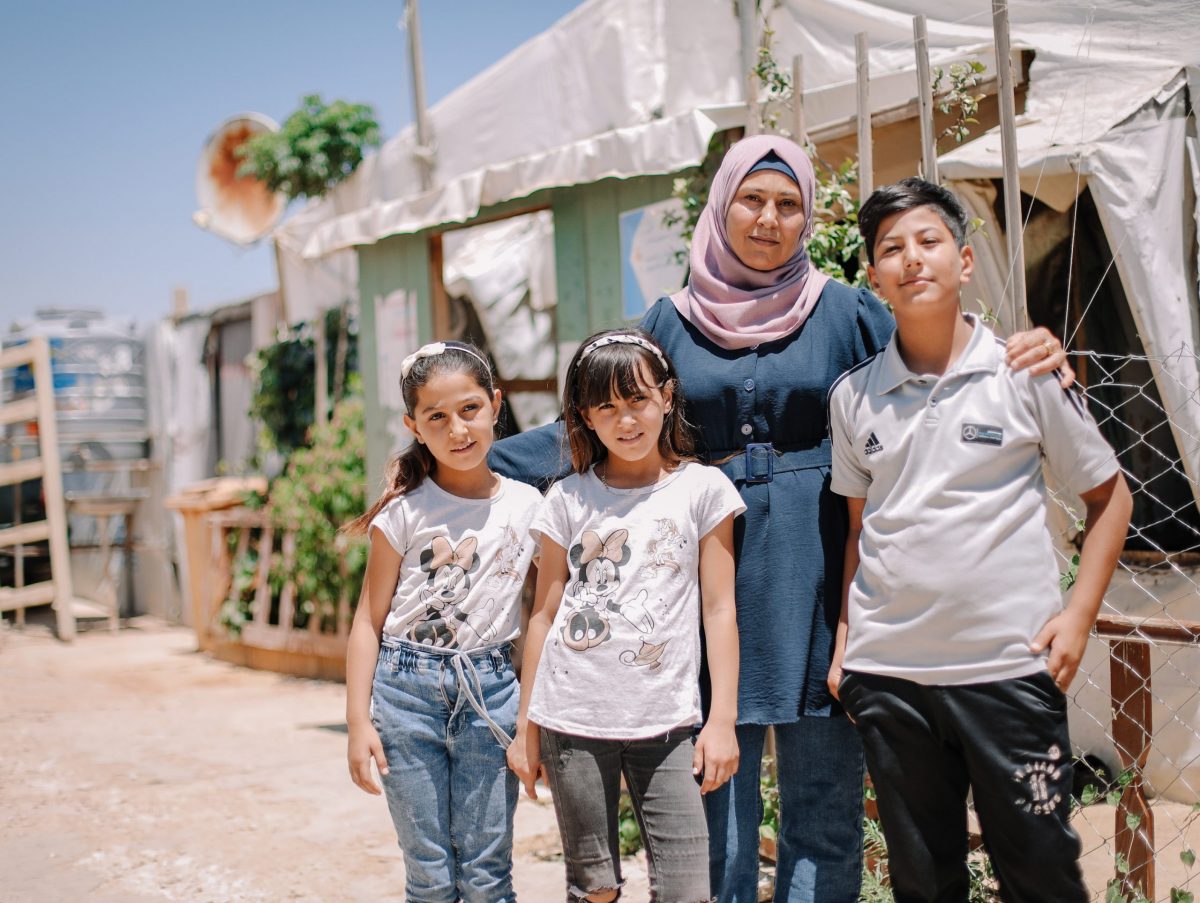
UNICEF reports that Lebanon is facing a suffocating humanitarian crisis, with around 19,000 children fleeing their homes daily due to ongoing military escalation. In statements made by Mark Lowcock, UNICEF's representative in Lebanon, during a press conference in Geneva, it was revealed that more than 370,000 children have had to leave their homes in the past three weeks.
This large number of displaced children reflects the tragic situation in Lebanon, where children are exposed to serious risks due to the ongoing conflict. Lowcock described the situation as akin to hundreds of school buses carrying fleeing children in search of safety every day.
Details of the Crisis
Lowcock pointed out that the humanitarian crisis in Lebanon has led to the displacement of approximately 20% of the population, with over one million people losing their homes. He explained that the situation is characterized by speed and large scale, resulting in family disintegration and the destruction of local communities.
He also warned of the profound psychological impact on children, who are subjected to severe psychological stress due to ongoing violence. He emphasized that these conditions exacerbate mental health crises, instilling fear in children and threatening their long-term psychological well-being.
Background & Context
Historically, Lebanon has witnessed numerous humanitarian crises and armed conflicts, significantly affecting children's lives. Since the outbreak of the Israeli-Palestinian conflict, Lebanon has suffered from the repercussions of these conflicts, with children being the most affected. UNICEF was established in 1946 to provide assistance to children in emergencies, but the current situation requires an urgent response.
The current crisis is not new, but it is rapidly worsening. Previous conflicts have led to the destruction of infrastructure, making it difficult for families to find safe shelter. Additionally, essential services such as education and healthcare are under immense pressure, further increasing children's suffering.
Impact & Consequences
Reports indicate that the humanitarian situation in Lebanon is deteriorating rapidly, with over 135,000 refugees living in unsafe and unsuitable conditions. More than 435 schools have been converted into shelters, negatively impacting education for over 115,000 students. This situation threatens the future of children and increases the likelihood of rising illiteracy and poverty.
The human toll has been devastating, with 121 children reported killed and 395 others injured as a result of the conflict. These figures reflect the scale of the humanitarian disaster facing children in Lebanon.
Regional Significance
The repercussions of the Lebanese crisis extend beyond its borders, affecting regional stability. The ongoing conflict threatens security in the region and heightens tensions between neighboring countries. Additionally, the influx of refugees into neighboring states poses a significant challenge for those countries, increasing economic and social pressures.
In conclusion, the situation in Lebanon requires an urgent response from the international community. Humanitarian aid must be provided immediately, and calls for a ceasefire should be made to ensure the safety of children and their families. Children are the future of Lebanon, and efforts must be united to protect them and restore their normal lives.