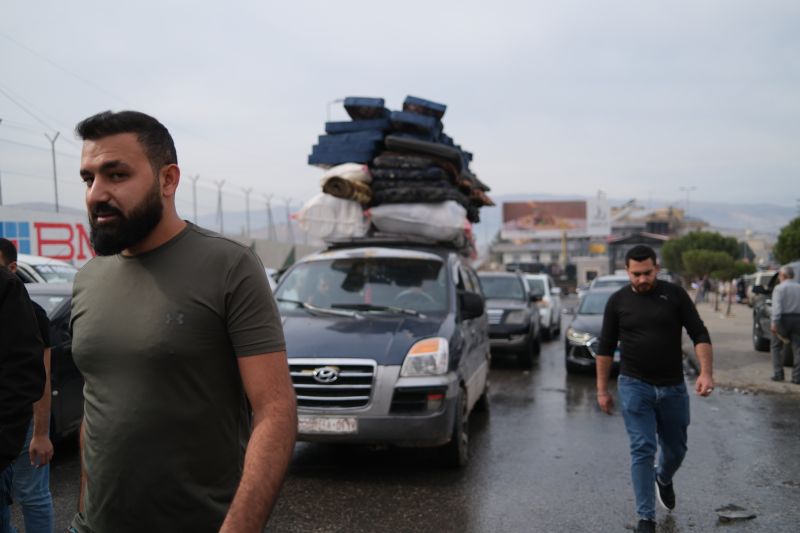
The United Nations High Commissioner for Refugees reports that over 200,000 people, most of whom are Syrians, have crossed the border from Lebanon into Syria since the escalation of Israeli aggression. These figures reflect the deteriorating situation in the region and the ongoing conflict's impact on civilian lives.
These developments come at a sensitive time, as tensions in the region have intensified due to Israeli military operations in Lebanon, leading to an unprecedented influx of refugees. This situation underscores the urgent need for an effective humanitarian response from the international community to assist those fleeing the conflict.
Details of the Event
Reports indicate that most of the refugees crossing the border are Syrian families who had been living in Lebanon, fleeing from deteriorating security conditions. They crossed the border through both official and unofficial checkpoints, reflecting the chaos and anxiety experienced by these individuals.
The United Nations High Commissioner for Refugees is working to provide humanitarian assistance to these refugees, including shelter, food, and healthcare. However, logistical challenges remain, as the large numbers of refugees make it difficult to meet their basic needs.
Background & Context
Historically, the region has witnessed numerous armed conflicts that have led to the flow of refugees, but the current situation is significantly different. The Israeli aggression against Lebanon has exacerbated humanitarian conditions, forcing many Syrians who sought refuge in Lebanon in previous years to return to their homeland under unsafe circumstances.
Syria has been suffering from an internal conflict since 2011, resulting in the displacement of millions of its citizens. However, the current situation in Lebanon adds a new dimension to the humanitarian crisis, as Syrian refugees in Lebanon face significant economic and social challenges.
Impact & Consequences
The repercussions of this displacement extend beyond the Lebanese and Syrian borders, potentially affecting regional stability overall. The increasing number of refugees may worsen the economic and social conditions in Syria, putting additional pressure on the Syrian government and civil society.
This situation may also raise concerns among neighboring countries, as the influx of refugees could lead to heightened tensions between local communities and refugees, negatively impacting regional stability.
Regional Significance
The flow of Syrian refugees from Lebanon to Syria reflects a growing humanitarian crisis in the region, as many Arab countries face similar challenges due to armed conflicts. The need for a comprehensive humanitarian response that transcends national borders has become more urgent than ever.
The international community must act swiftly to provide the necessary support to refugees and the governments of host countries to ensure that humanitarian conditions do not worsen. Regional and international cooperation will be essential to address this escalating crisis.
The current situation demands an urgent response from all parties involved, as the lives of millions depend on it. There must be a greater focus on providing humanitarian assistance and alleviating the suffering of refugees during these difficult times.