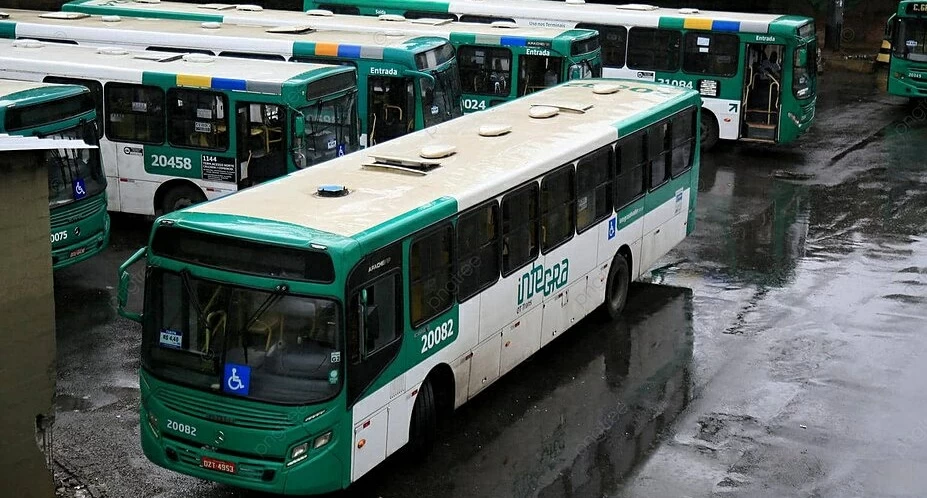
In a move aimed at supporting citizens during difficult times, Pakistani Prime Minister Muhammad Shahbaz Sharif announced financial assistance for passenger buses and trucks. This initiative comes amidst regional tensions and increasing economic pressures facing the country.
Sharif made these remarks while presiding over a meeting to review the progress of government support packages for petroleum products. The meeting discussed the status of fuel reserves and consumption rates in the country, as the government seeks to ensure price stability.
Details of the Initiative
Sharif confirmed that passenger buses will receive a monthly support of 100,000 rupees per bus, while smaller buses and vehicles will receive 40,000 rupees each month. This step aims to prevent price hikes in transportation, which is a key factor in increasing the cost of living.
He also noted that trucks will receive a monthly support of 70,000 rupees, while heavy freight vehicles will get 80,000 rupees, and delivery vehicles will receive 35,000 rupees monthly. These amounts will help control the rising prices of essential food items.
Background & Context
These measures come at a time when Pakistan is facing significant economic challenges, including high inflation rates and pressures stemming from regional tensions. These factors have directly impacted citizens' purchasing power, prompting the government to take urgent steps to support them.
In recent years, Pakistan has experienced several economic crises, including rising fuel and food prices. Therefore, these initiatives are part of the government's efforts to mitigate the effects of these crises on citizens.
Impact & Consequences
These steps are expected to improve the economic situation for citizens, as they will help reduce transportation costs and thus alleviate financial burdens. Additionally, the financial support provided will enhance companies' ability to offer their services at affordable prices.
However, the biggest challenge remains how to ensure the sustainability of these initiatives amid fluctuating economic conditions. The government needs to develop long-term strategies to ensure the continuity of support and avoid any potential negative impacts.
Regional Significance
Pakistan's experience in providing financial support to address economic crises serves as a model that other countries in the region could benefit from. Given the economic challenges faced by many Arab nations, there may be an urgent need to adopt similar strategies to support citizens.
Enhancing transparency in the disbursement of financial support, as Sharif pointed out, is a positive step towards building trust between the government and citizens. This experience could serve as an inspiration for other countries seeking to improve their economic conditions.