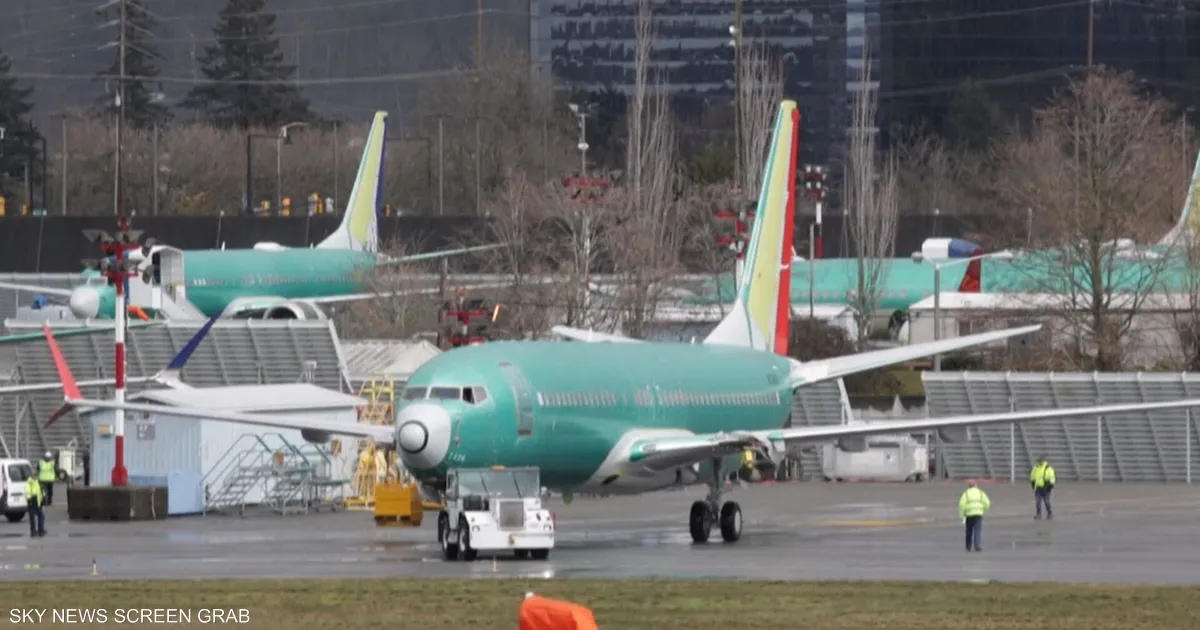
The Philippine Transportation Secretary stated that the Philippine government could support airlines' efforts to secure aviation fuel, thereby reducing the risk of flight cancellations. This announcement comes at a time when the world is facing a severe oil shortage due to the ongoing conflict in Iran, which poses a significant threat to air travel.
The Philippine government is seeking to take effective steps to ensure the continuity of air services, as Philippine airlines are among the most affected by fluctuations in global oil prices. The Secretary clarified that government support may include facilitating access to fuel at reasonable prices, helping to alleviate the financial burdens on these companies.
Details of the Announcement
This move comes at a very sensitive time, as the aviation sector is suffering from the repercussions of geopolitical conflicts and the increasing scarcity of resources. The Secretary noted that the government is closely monitoring the situation and working on strategies to ensure the continuity of flights, especially with the travel season approaching.
The Philippines is one of the countries that heavily relies on tourism, and thus any disruption in air services could negatively impact the national economy. The government has expressed its readiness to cooperate with airlines to secure their fuel needs, reflecting its commitment to supporting the sector.
Background & Context
Historically, the Philippines has experienced several economic crises that have affected the aviation sector. With the escalation of the conflict in Iran, the situation has become more complicated, as this conflict has led to a significant rise in oil prices, impacting the operating costs for airlines. In recent years, the Philippines has been striving to enhance its competitiveness in the aviation sector, but global crises could hinder these efforts.
It is worth noting that the Philippines is not the only country facing these challenges, as many nations are suffering from the effects of geopolitical conflicts on oil markets. However, the swift response of the Philippine government could serve as a model for how to handle crises effectively.
Impact & Consequences
This step by the Philippine government represents a rapid response to the challenges faced by airlines. If the government can secure fuel at reasonable prices, it may lead to the stabilization of air ticket prices, which would help boost tourism and the local economy.
On the other hand, if the fuel shortage continues, airlines may be forced to reduce the number of flights or increase prices, which could negatively affect travelers. Therefore, government support will have a significant impact on the stability of the sector.
Regional Significance
The Arab region also faces similar challenges amid ongoing conflicts in some countries, affecting oil prices and air travel. The swift response of the Philippines could serve as a lesson for Arab countries on how to manage crises. With the increasing reliance on tourism as a source of income, the stability of the aviation sector is vital.
In conclusion, the Philippine government's readiness to support airlines in securing fuel reflects the importance of collaboration between the public and private sectors in facing crises. This step is expected to contribute to enhancing the stability of the aviation sector in the Philippines, which will have a positive impact on the national economy.