Questions are increasing regarding whether the goal of overthrowing Iran represents the starting point for a project to reshape the region, or if it is merely a phase within a broader path that includes redistributing regional roles and functions. This issue has piqued the interest of many observers and experts in political affairs, where regional and international interests intertwine.
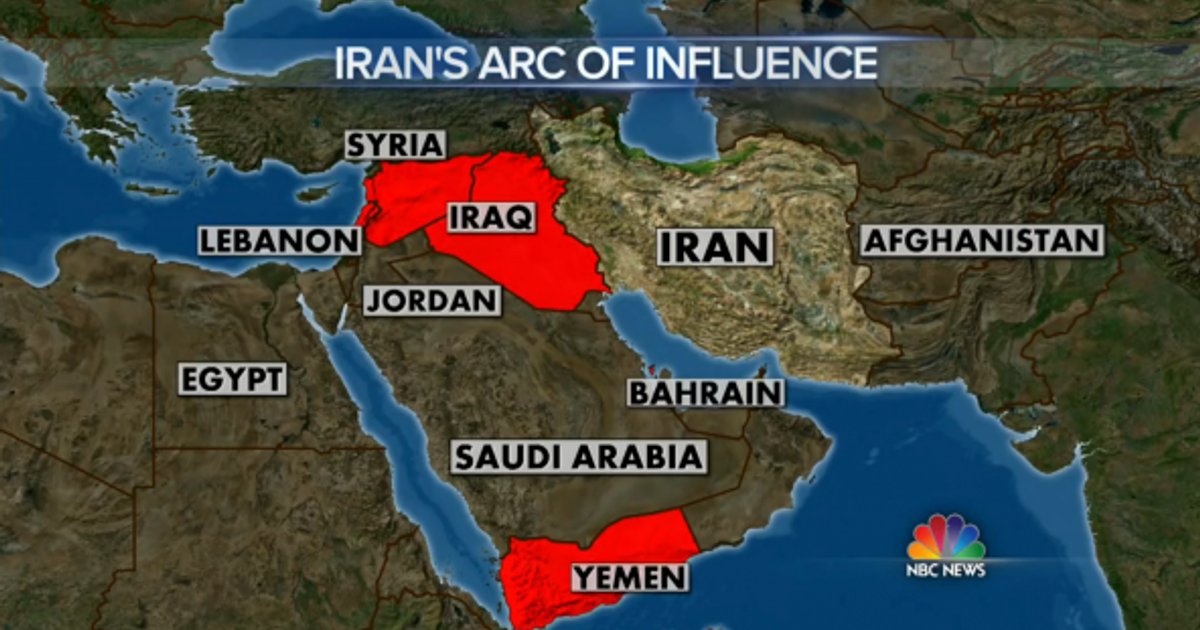
In recent years, the region has witnessed radical transformations, with Iran emerging as a key player in numerous regional conflicts. From Iraq to Syria, Lebanon, and Yemen, Iran's presence has been evident, raising concerns among some Arab and Western countries that view this expansion as a threat to their security and stability.
Event Details
Some Western countries, in collaboration with their allies in the region, are seeking to take effective steps to counter Iranian influence. These steps include imposing economic sanctions, supporting opposition forces, and even considering military options. However, the most critical question remains: will these efforts succeed in overthrowing the Iranian regime, or will they exacerbate the situation and increase tensions in the region?
Reports indicate that there are intensive diplomatic moves aimed at forming new alliances to confront Iran. These alliances may include other Arab and regional countries, potentially leading to an unprecedented redistribution of roles in the region.
Background & Context
Historically, Iran has played a pivotal role in regional politics, with its relationships tied to various political and military groups in neighboring countries. Since the Islamic Revolution in 1979, Iran has sought to enhance its influence in the region, leading to heightened tensions with Gulf Arab states and the United States.
In recent years, relations between Iran and the West have notably deteriorated, especially after the United States withdrew from the nuclear agreement in 2018. This withdrawal resulted in the imposition of stringent economic sanctions on Iran, significantly impacting its economy and exacerbating internal crises.
Impact & Consequences
If the efforts to overthrow the Iranian regime succeed, it could lead to radical changes in regional balances. This step may open the door for the emergence of new powers in the region and alter traditional power dynamics. However, such steps could also escalate armed conflicts and increase instability in countries like Iraq and Syria.
On the other hand, these transformations may lead to a reevaluation of relationships among Arab states, where new alliances could form to address common challenges. This could contribute to enhancing regional cooperation, but at the same time, it may exacerbate internal divisions in some countries.
Regional Significance
The Arab states are at the heart of these transformations, as they must take clear stances regarding Iranian threats. Some countries, such as Saudi Arabia and the UAE, may be more willing to cooperate with Western powers to confront Iran, while others may adopt more cautious positions.
Ultimately, the question remains open regarding the future of the region. Will the efforts succeed in reshaping regional roles, or will conflicts continue to affect the stability of the area?