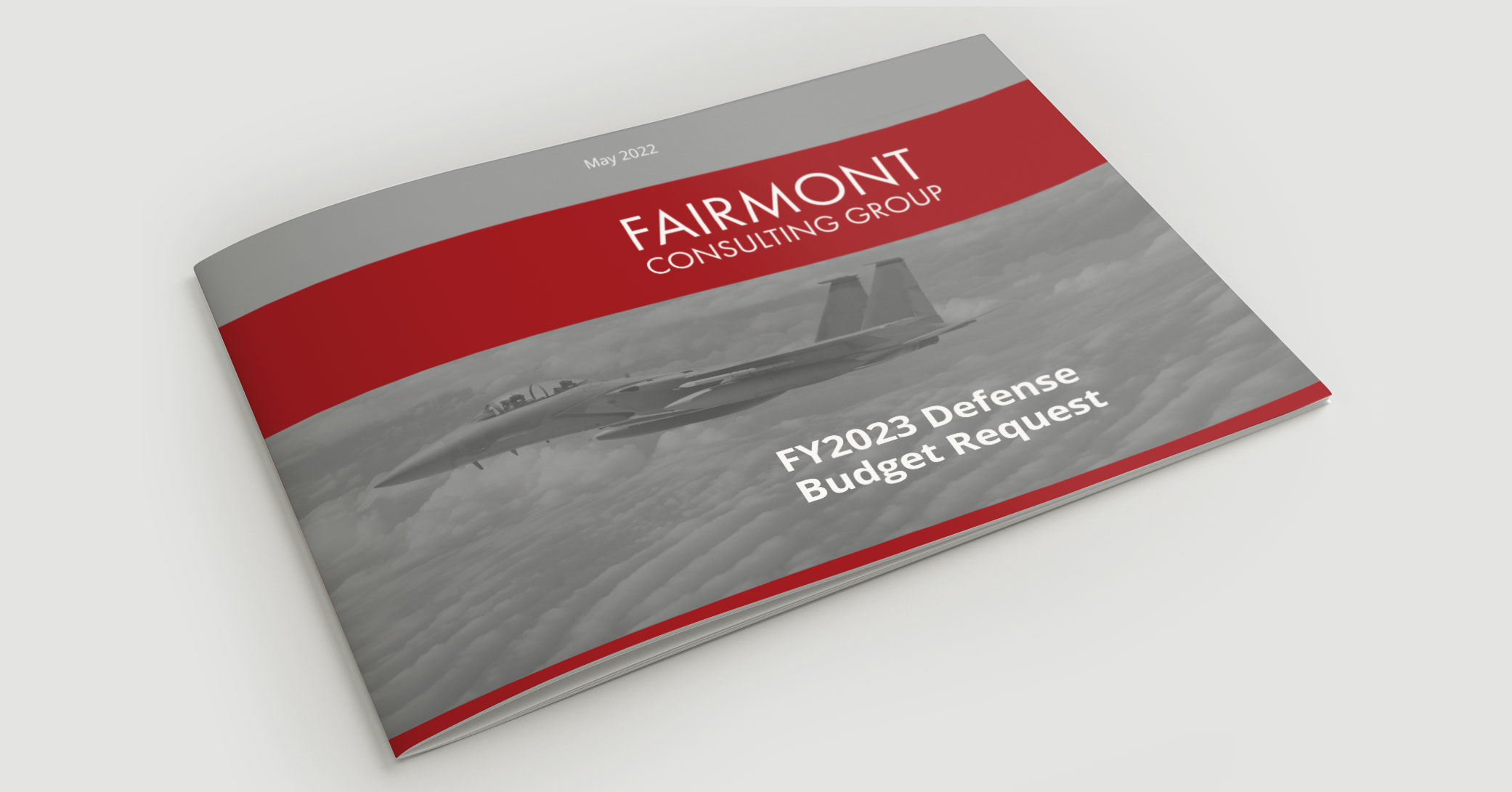
The Biden administration has requested an unprecedented defense budget of $1.5 trillion, in a move that reflects the growing trend to enhance the military capabilities of the United States. This budget aims to support the U.S. armed forces and modernize military equipment in light of escalating tensions with countries such as China and Russia.
The proposed budget includes a significant increase in spending on defense programs, including the development of advanced weapons, enhancement of cyber capabilities, and support for allies in conflict zones. It also allocates additional resources to address emerging threats, such as cyberattacks and international terrorism.
Details of the Request
This budget comes as part of a comprehensive strategy aimed at strengthening U.S. national security. U.S. Secretary of Defense Lloyd Austin has confirmed that this budget will help maintain the military superiority of the United States in the face of global challenges. He also emphasized the importance of updating weapons and equipment to counter evolving threats.
The budget also includes an increase in the number of U.S. troops deployed in tense regions, such as the Pacific and Eastern Europe, where concerns about Russian and Chinese expansion are growing. A special budget has been allocated to support NATO allies and enhance military cooperation with partner countries.
Background & Context
Historically, the United States has seen significant increases in its defense budget during periods of geopolitical tensions. For example, after the events of September 11, 2001, defense spending was significantly increased to counter terrorist threats. Today, this scenario is repeating itself with rising tensions with Russia and China, necessitating an enhancement of military capabilities.
This budget is considered part of a broader strategy aimed at reaffirming the United States' role as a superpower in the international system. Many experts have pointed out that this move reflects the U.S. administration's concern over the increasing threats posed by hostile powers.
Impact & Consequences
This budget is expected to significantly affect international relations, potentially increasing tensions between the United States and other countries, especially Russia and China. Additionally, the increase in military spending could lead to a new arms race in the region, raising concerns about the escalation of conflicts.
Domestically, the Biden administration may face challenges in convincing Congress to approve this budget, especially amid the economic pressures the country is experiencing. However, the administration hopes that this spending will enhance national security and improve the economic situation in the long term.
Regional Significance
Regarding the Arab region, this budget may impact U.S. relations with Arab countries, particularly those that rely on American military support. The enhancement of U.S. military capabilities could increase pressure on some Arab regimes to keep pace with changes in U.S. policy.
Moreover, this budget may strengthen the United States' position in regional conflicts, potentially affecting military balances in the area. It is crucial for Arab countries to closely monitor these developments, as they may influence their defense and military strategies.
In conclusion, this budget reflects new trends in American defense policy and highlights the challenges the United States faces in a changing world. The repercussions of this budget will remain a significant focus for observers and analysts in international affairs.