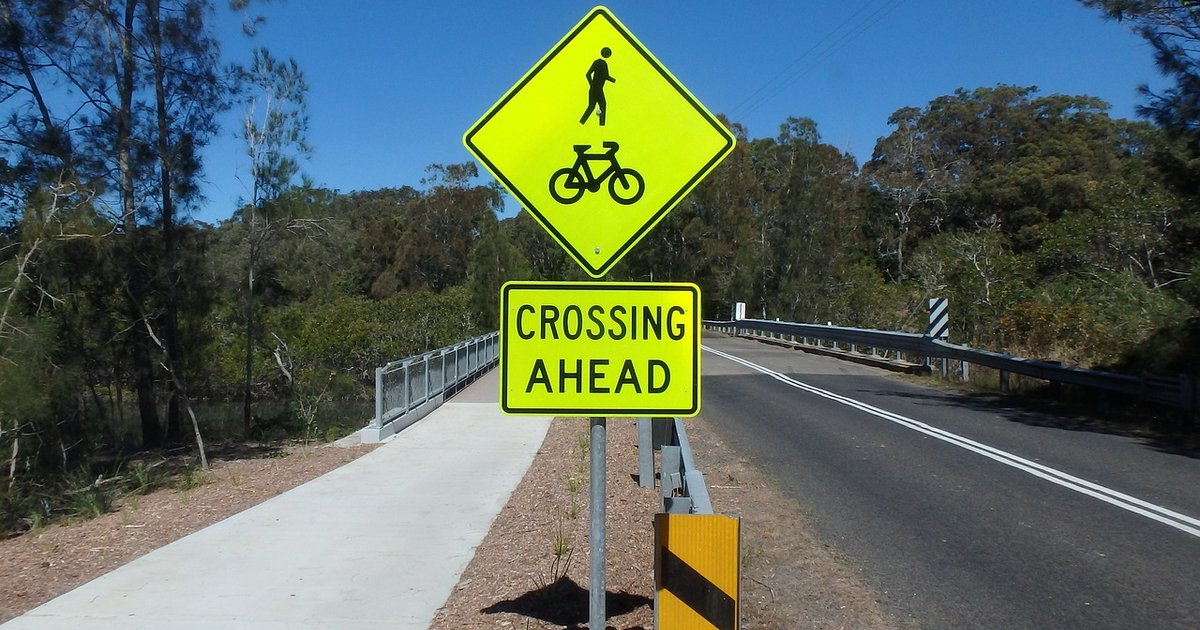
In a community-driven initiative, residents of the Tibet area in Jakarta have taken it upon themselves to redraw a pedestrian crossing after more than a year of inaction from local authorities. This move comes in response to the loss of essential traffic markings in a heavily trafficked area.
Volunteer Rafli Zulkarnaen, known by the nickname Iguel, reported that residents had informed the authorities via the JAKI app over a year ago, but no action was taken. He mentioned that the residents decided to take matters into their own hands after their issue became a topic of discussion on social media, prompting authorities to engage.
Details of the Event
Road maintenance is currently underway in the Tibet area, where the paving work was completed in 2025. However, the pedestrian crossing has not been redrawn following the maintenance work, causing frustration among residents. The area is located near Tranjakarta Station, a church, a school, and the Tibet municipality office, making the need for a safe pedestrian crossing urgent.
Iguel pointed out that the absence of a pedestrian crossing increases the risk of accidents, especially in areas with heavy traffic. The residents collaborated with local artists to creatively redraw the crossing, using a design inspired by the game Pac-Man, which added an artistic touch to the initiative.
Background & Context
Traffic safety issues are among the most significant challenges facing major cities, particularly in developing countries. In recent years, many cities around the world have witnessed similar community movements advocating for improved road infrastructure. In the case of Tibet, complaints had been escalating regarding the absence of traffic signs, leading to an increase in traffic accidents.
It is noteworthy that the residents of Tibet had resorted to official channels to report the problem, but the lack of prompt response from authorities reflects a weakness in the administrative system's handling of public safety issues. These community initiatives reflect citizens' desire to improve their living conditions and ensure their safety.
Impact & Consequences
This incident highlights the importance of community engagement with public safety issues. The initiative taken by the residents of Tibet could serve as a model for other areas facing similar problems. Additionally, this step may pressure local authorities to enhance their responsiveness to citizens' demands.
On the other hand, this incident indicates the urgent need to improve complaint management systems in major cities. There should be effective mechanisms in place to ensure a quick and efficient response to residents' requests, especially concerning public safety.
Regional Significance
In the Arab world, many cities face similar issues related to traffic safety. The increasing traffic in major cities requires a swift response from local authorities to ensure citizens' safety. These community initiatives can inspire Arab citizens to advocate for improved road infrastructure in their areas.
In conclusion, enhancing community awareness regarding public safety issues is essential to ensure a safe environment for all. Authorities must collaborate with citizens to achieve this goal.