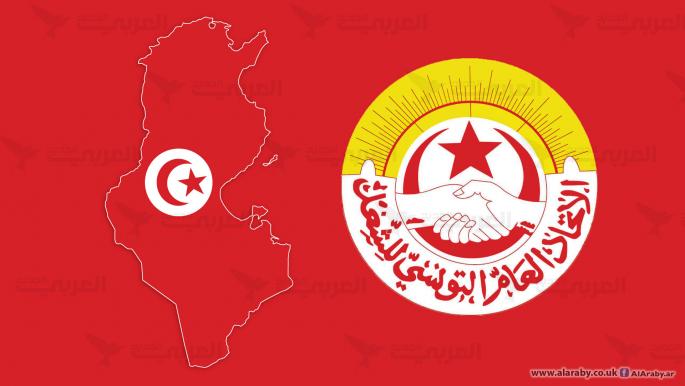
The revival of the Tunisian General Labour Union and its independence may alleviate pressures on it, enhancing freedoms and restoring balance between authority and civil society. This step comes at a critical time for the country, as the union seeks to regain its active role in political and social life.
This move is seen as a response to the increasing challenges facing Tunisia, including economic and social pressures. The Tunisian General Labour Union, one of the most prominent unions in the country, aims to strengthen its position as an active participant in national dialogue, which could contribute to improving citizens' living conditions.
Details of the Event
Recently, Tunisia has witnessed union movements aimed at enhancing the independence of the Tunisian General Labour Union. These movements come in the context of the union's attempts to restore its role as an influential force in political life. Several union leaders have pointed out the importance of this step in enhancing public freedoms and raising the ceiling of social demands.
These developments are expected to increase pressure on the government to implement the necessary reforms, especially given the difficult economic conditions the country is experiencing. Additionally, the restoration of the union's strength may help rebuild trust between citizens and authorities, which is vital at this stage.
Background & Context
The Tunisian General Labour Union was established in 1946 and has emerged as one of the most prominent labor unions in the Arab world. The union has played a pivotal role in many historical events in Tunisia, including the Tunisian Revolution of 2011. However, in recent years, it has seen a decline in its influence due to political and economic pressures.
The union is now seeking to regain its status by enhancing its independence and expanding its support base. These efforts come at a time when concerns about the decline of public freedoms in the country are increasing, making it essential to strengthen the role of civil society and unions as active forces.
Impact & Consequences
If the Tunisian General Labour Union succeeds in regaining its strength, it could lead to positive changes in the Tunisian political landscape. This may contribute to improving citizens' living conditions and increasing opportunities for dialogue between the government and civil society.
Moreover, strengthening the role of unions could encourage greater political participation by citizens, thereby enhancing democracy in the country. At the same time, the government may face new challenges in dealing with the increasing demands from unions, requiring effective and swift responses.
Regional Significance
Tunisia's experience is considered a model in the Arab world, as many countries seek to enhance the role of civil society and unions in political life. If Tunisia succeeds in achieving a balance between authority and civil society, it may inspire other countries in the region to pursue similar reforms.
The revival of the Tunisian General Labour Union could have positive implications for the region, potentially leading to enhanced public freedoms and increased political participation in other countries facing similar challenges.
In conclusion, the revival of the Tunisian General Labour Union and its independence represents a significant step towards enhancing democracy and freedoms in Tunisia. Amid current challenges, hope remains pinned on the union's ability to achieve its goals and restore its role as an active force in society.