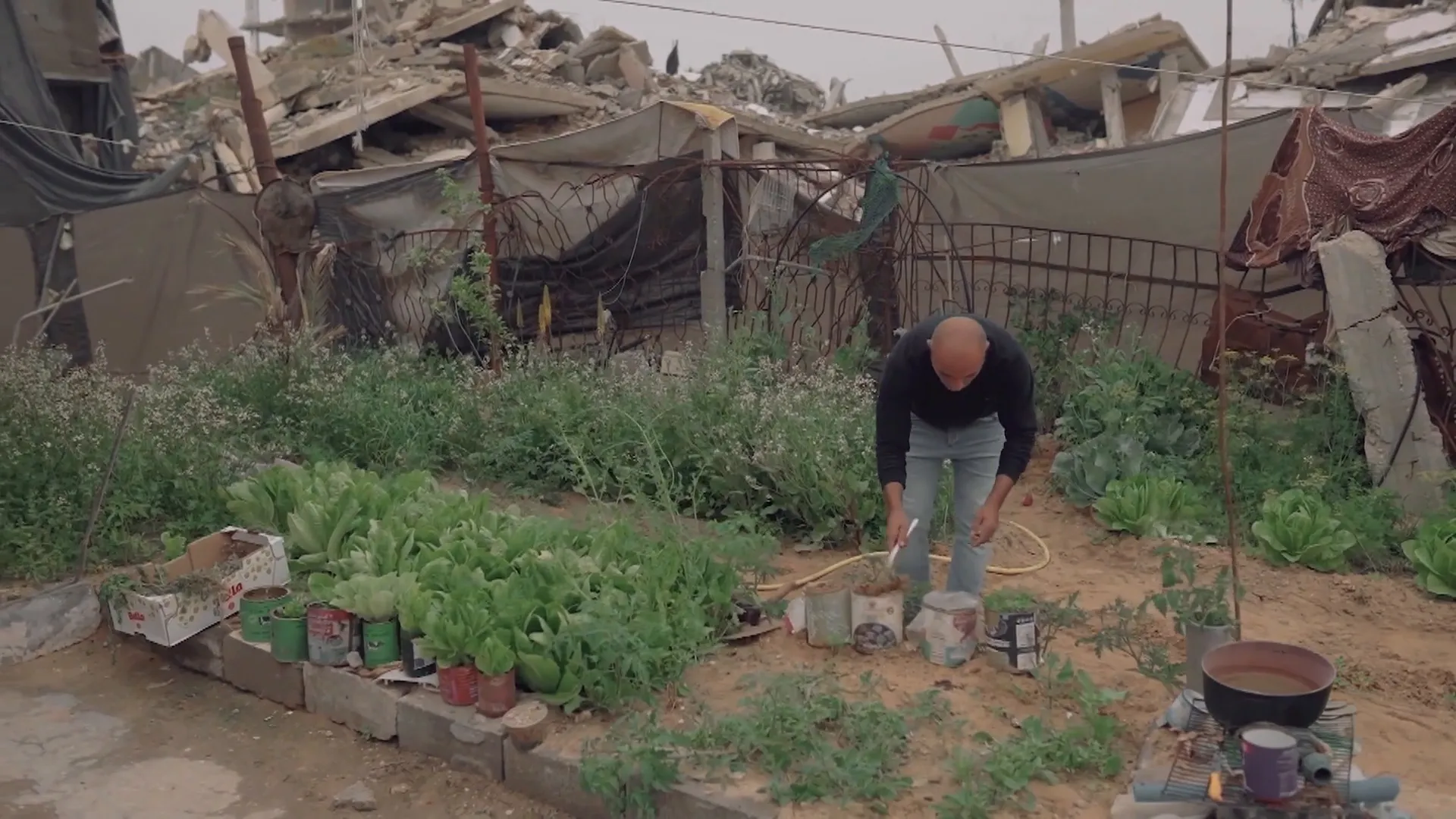
In the harsh conditions faced by the residents of Gaza, where fields have been destroyed and agricultural land has shrunk due to the Israeli occupation, the will to live has emerged as a driving force for many. Despite the rubble surrounding them, some farmers have begun to cultivate the land anew, transforming small areas into resilient farms that provide a minimum food supply.
This alternative agriculture serves as a lifeline for families facing hunger, as farmers strive to grow vegetables and fruits under difficult circumstances. Despite the challenges, hope remains alive in the hearts of these farmers who insist on staying and succeeding.
Event Details
Reports indicate that the Israeli occupation has destroyed over 50% of agricultural land in Gaza, significantly impacting the food security of the population. Nevertheless, many farmers have started to adopt innovative agricultural methods, such as vertical farming and greenhouse cultivation, to compensate for the lack of arable land.
These efforts include planting crops that require less space, thereby helping to achieve higher productivity. Additionally, some farmers have begun collaborating with non-governmental organizations to provide technical support and necessary resources to improve their yields.
Background & Context
Historically, the Gaza Strip has been a resource-rich area for agriculture, where farming has represented a primary source of income for many families. However, the ongoing blockade for over 15 years, along with repeated military attacks, has led to the destruction of agricultural infrastructure and a reduction in cultivated areas.
In recent years, Gaza has witnessed a sharp decline in agricultural production, resulting in rising food prices and increasing hunger rates. In this context, the efforts of farmers to revive agriculture come as a necessary step to confront these challenges.
Impact & Consequences
These efforts directly affect the lives of residents, contributing to improved food security and reducing reliance on external aid. The success of these initiatives could encourage more families to engage in farming, thereby enhancing the community's resilience in the face of challenges.
Moreover, this alternative agriculture may help foster community spirit, as farmers collaborate to share knowledge and resources, strengthening their capacity to face crises.
Regional Significance
The experience of Gaza serves as a model for addressing food crises in other parts of the Arab world. These efforts can inspire other communities facing similar challenges to seek innovative solutions to their agricultural problems.
Furthermore, the success of these initiatives in Gaza could contribute to raising awareness about the importance of sustainable agriculture, aiding in achieving food security in the region as a whole.
The will to live demonstrated by the residents of Gaza through their alternative agriculture represents hope in confronting challenges. Despite the difficult circumstances, these farmers prove that hope still exists and that agriculture can be a means of survival and resilience.