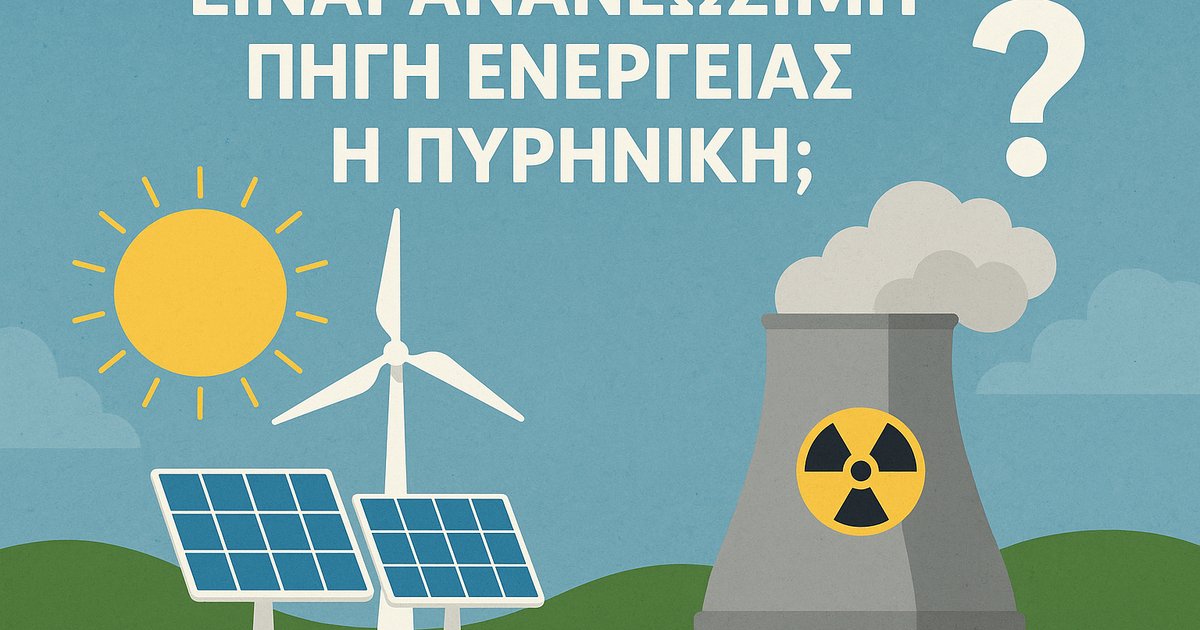
Increasing pressures on oil and gas markets are pushing governments to seek more stable energy alternatives. Amid current energy shocks, nuclear power emerges as a strategic option for countries. These shifts are occurring at a time when markets are experiencing severe fluctuations due to geopolitical crises and regional conflicts.
Countries are striving to reduce their dependence on traditional energy sources, which are significantly affected by political and economic variables. As oil prices rise, the need for reliable alternative energy sources becomes more pressing. Nuclear energy, regarded as one of the most sustainable sources, is gaining increasing attention from governments.
Event Details
Reports indicate that many countries have begun to reassess their energy strategies, with some European nations moving to enhance their nuclear programs. For instance, France recently announced plans to expand its nuclear capacity, while other countries like Germany are reconsidering their decision to phase out nuclear energy.
Simultaneously, oil prices continue to rise, increasing pressure on governments to secure stable energy supplies. These conditions are prompting nations to consider new investments in nuclear energy, which is viewed as a long-term option.
Background & Context
Historically, nuclear energy has been a controversial choice, associated with concerns over nuclear accidents and radioactive waste. However, technological advancements in this field have contributed to improved safety levels and reduced risks associated with nuclear energy.
Moreover, climate change and international pressures to reduce carbon emissions enhance the significance of nuclear energy as a clean alternative. Countries aiming to achieve sustainable development goals find nuclear energy an effective means to meet their energy needs without adversely affecting the environment.
Impact & Consequences
Studies predict that the increasing reliance on nuclear energy will lead to significant changes in the global energy market. This could result in reduced demand for oil and gas, potentially impacting global prices for these resources.
The shift toward nuclear energy may also foster international cooperation in the energy sector, as countries can share technology and expertise. This collaboration could contribute to achieving global energy security and reduce geopolitical tensions associated with traditional energy sources.
Regional Significance
For Arab nations, this shift may represent an opportunity to enhance their investments in nuclear energy. Some countries, such as the United Arab Emirates, have already begun developing nuclear energy projects, reflecting their desire to diversify energy sources.
However, Arab nations must consider the challenges associated with nuclear energy, including safety and waste disposal. This requires significant investments in infrastructure and technology, along with the development of necessary legal and regulatory frameworks.
In conclusion, it appears that current energy shocks may accelerate countries' adoption of nuclear energy as a strategic alternative. This shift could have far-reaching impacts on global energy markets and reshape international relations in this field.