Recently, global markets have experienced a boom in food products containing fiber, such as sodas and gelatinous foods. Companies are eager to capitalize on this growing trend of "functional meals," where fiber is believed to enhance overall health and improve digestion.
However, experts caution that the health benefits of these products may not be as advertised. Some of these foods may contain high amounts of sugar or preservatives, which diminish the purported benefits of fiber.
Details of the Trend
Many major companies are seeking to launch new products containing fiber to attract health-conscious consumers. With increasing health awareness among the public, there is a rising demand for these types of products.
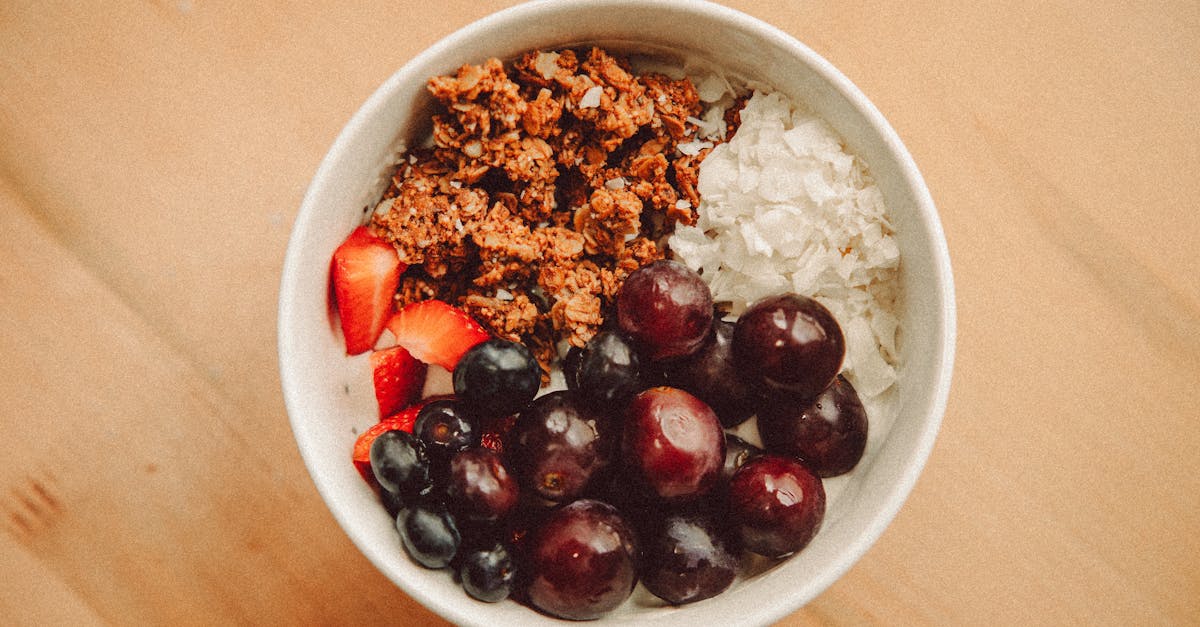
Nonetheless, this trend raises questions about the healthiness of these options. While fiber intake is considered an essential part of a healthy diet, many new products may not deliver the expected health benefits. Some experts point out that consuming fiber from natural sources like fruits and vegetables is the better choice.
Background & Context
Historically, fiber has been regarded as a fundamental component of a healthy diet. Research has shown that fiber consumption can help reduce the risk of heart disease and diabetes. However, the current trend toward "functional meals" has led to the emergence of new products that may lack genuine health benefits.
Impact & Consequences
This trend could have significant implications for public health. If consumers continue to choose fiber-rich products without verifying their ingredients, it may lead to long-term health issues. It is crucial to raise awareness among people about the importance of reading food labels and understanding what they are consuming.
Regional Significance
The growing popularity of fiber-rich foods and beverages is particularly relevant in the Arab market, where health consciousness is on the rise. This shift presents opportunities for developing healthier products tailored to local tastes and preferences.
In conclusion, while the demand for fiber-rich products is increasing, consumers must remain vigilant about the nutritional content of these foods. Understanding the difference between genuinely healthy options and those laden with unhealthy additives is essential for making informed dietary choices.