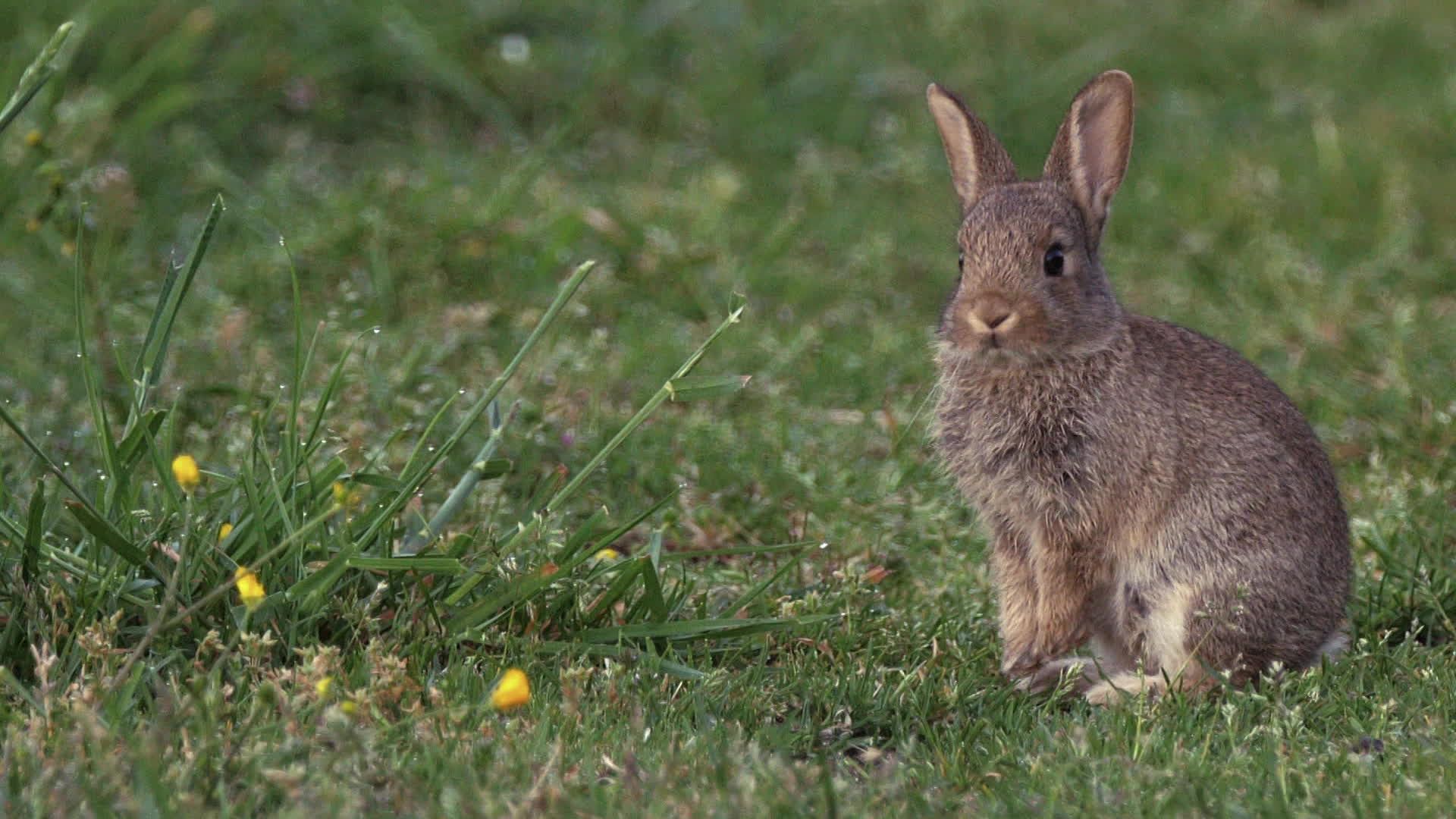
The Hérault region in France is suffering from a growing crisis due to an unprecedented spread of rabbits, which have become a real threat to local farmers. While rabbit populations are declining in other parts of the country, their numbers have surged in this area, leading to the destruction of crops such as grapes, wheat, and vegetables.
This phenomenon is a major concern for farmers who rely on these crops as their primary source of income. Despite efforts to devise a plan to combat the spread of rabbits, these plans have yet to succeed in containing the problem, further increasing the economic pressures on farmers.
Details of the Situation
Reports indicate that rabbits have begun to spread significantly over the past few years, with their numbers increasing dramatically in the agricultural lands surrounding Montpellier. Farmers have observed widespread destruction of their crops, resulting in severe losses in agricultural production.
The increasing rabbit population is causing a decline in crop quality, as they feed on plants, leading to reduced productivity. Farmers have expressed concern that the continuation of this phenomenon may result in the loss of their income sources, threatening their economic future.
Background & Context
Historically, rabbits were considered wild animals that lived in balance with the environment. However, in recent years, France has experienced environmental changes that have led to an increase in their numbers in certain areas. This unnatural increase can be attributed to several factors, including climate change and alterations in agricultural land use.
Studies show that rabbits have benefited from the new environmental conditions, contributing to their significant reproduction. Nevertheless, this increase contradicts efforts to maintain biodiversity, as it leads to the destruction of local ecosystems.
Impact & Consequences
The repercussions of the rabbit spread extend beyond agriculture, affecting the local economy as a whole. Research has shown that farmers suffering from crop destruction may be forced to reduce their investments in agriculture, leading to a decline in local production and an increased reliance on imports.
Moreover, this situation could lead to rising food prices, impacting consumers in the area. Under these circumstances, local authorities must take urgent action to address this phenomenon before matters worsen.
Regional Significance
Although this issue is occurring in France, it holds significant implications for Arab countries. Agriculture is one of the primary sources of the economy in many Arab nations, and any threats to crops could lead to food crises.
Arab countries could benefit from studying this French case to develop effective strategies to tackle agricultural challenges, including wildlife management and biodiversity conservation.
In conclusion, the current situation in Hérault requires urgent attention from both authorities and farmers to ensure agricultural sustainability and protect livelihoods.