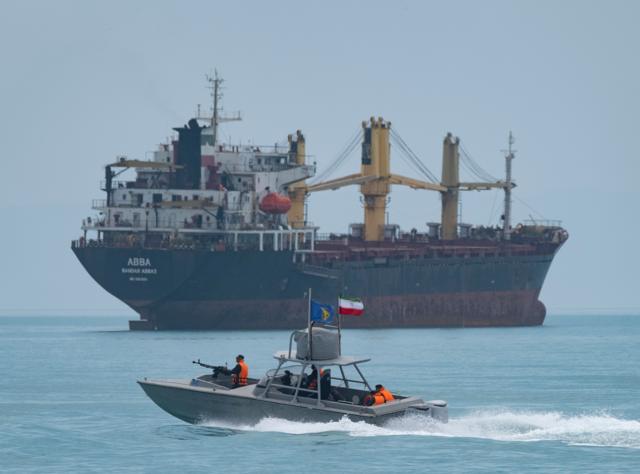
The Russian Foreign Ministry has stated that Moscow opposes the closure of the Strait of Hormuz, pointing out the necessity of a comprehensive view of the situation surrounding it. Officials from the ministry assured that the importance of this waterway for global trade and maritime transport urges them to call on the concerned parties to act with greater wisdom and caution.
The Russian Foreign Ministry expressed its regret over the risks posed by geopolitical tensions in the region, which threaten the stability of the Hormuz strait, one of the world's most vital strategic corridors. This statement coincides with rising tensions among various parties in the region, raising concerns about international shipping and energy security.
Details of the Event
In light of recent developments, Russia aims to clarify its position regarding the rhetorical battles and threats surrounding the Strait of Hormuz. This strait is a major transit point for oil and natural gas, with approximately 20% of global oil shipments passing through it. In recent years, the region has faced numerous crises, including military activities and intimidation operations.
The Russian statements come as a response to the growing concerns among oil-producing and importing nations, as a potential closure of the Strait of Hormuz could lead to a global energy crisis and an unjustified spike in oil prices. The current situation poses a challenge to the economic and social policies in the Gulf states, which heavily rely on oil revenues.
Background & Context
Historically, the Strait of Hormuz has played a prominent role in regional and international conflicts due to its strategic location. This corridor holds particular significance for oil-producing countries in the Gulf, such as Saudi Arabia, Iran, and Iraq, all of which seek to maintain maritime transport flows. The strait has witnessed multiple crises, including military interventions by various countries and heightened threats from armed groups.
In recent years, the intensity of the conflict between the United States and Iran has escalated, making the Strait of Hormuz the epicenter of tensions. The United States has deployed additional naval assets to reinforce its forces in the region, while Iran has issued warnings against any attempts to close the strait. These developments have significantly impacted global energy supplies and prices.
Impact & Consequences
The closure of the Strait of Hormuz could have dire consequences that transcend regional borders, threatening global economic security. According to expert forecasts, this could lead to an increase in oil prices by as much as 100%, affecting energy-importing nations and forcing many governments to reconsider their economic policies.
Furthermore, the ongoing tensions in the region threaten to bring about further humanitarian and economic crises for neighboring Arab states, reflecting genuine fears of worsening conditions. Therefore, both regional and international nations are urged to consider how to reduce tensions and avoid any potential escalation that could disrupt regional security.
Regional Significance
Arab nations in the Gulf region would be directly affected by any tensions that might arise in the Strait of Hormuz. This strait is a lifeline for Gulf economies that primarily depend on oil exports. The potential impact on regional security may also affect tourism and investment in neighboring countries.
Additionally, the current geopolitical escalation is prompting some Arab nations to seek energy alternatives, which could influence their development strategies. Diplomatic processes and effective dialogue among the concerned parties may be the way to safeguard the region's interests.
In conclusion, the necessity for enhancing regional and international cooperation remains critical amid the instability and tensions in the Strait of Hormuz. It is in everyone's interest to address outstanding issues peacefully to avoid negative repercussions for all.