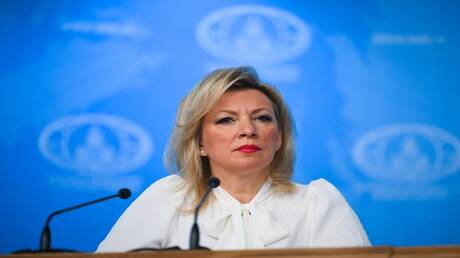
The spokesperson for the Russian Foreign Ministry, Maria Zakharova, has warned that aggressive forces continue to escalate in the Middle East without regard for the potential consequences, particularly radiation risks. Zakharova emphasized that this escalation poses a real threat to both regional and international security, urging the International Atomic Energy Agency (IAEA) to take a clear stance and clarify the seriousness of these threats.
Amidst the tense situation in the region, fears are rising regarding the use of nuclear weapons or radioactive materials in armed conflicts, which could lead to dire consequences for the environment and public health. Zakharova confirmed that these irresponsible actions by certain countries could exacerbate humanitarian and environmental crises.
Details of the Event
These warnings come at a time when the Middle East is witnessing increasing military escalation, with military operations between conflicting forces on the rise, raising concerns about the use of prohibited weapons. Russia, as a key supporter of certain parties in the conflict, has expressed its concern over these developments, stressing the necessity for dialogue and negotiation to resolve disputes.
Zakharova did not hesitate to point out that the continuation of this escalation could lead to catastrophic outcomes, not only at the regional level but also globally. She indicated that the IAEA must play a larger role in monitoring the situation and providing necessary recommendations to protect regional security.
Background & Context
Historically, the Middle East has witnessed numerous armed conflicts that have involved both conventional and unconventional weapons. As tensions between countries escalate, concerns regarding the use of nuclear weapons or radioactive materials have become more pronounced. In recent years, there have been increasing calls from the international community to curb the proliferation of nuclear weapons and enhance regional security.
Russia, which plays a pivotal role in international politics, seeks to bolster its position as a mediator in conflicts, yet it faces criticism for its support of certain regimes in the region. These dynamics make it imperative for the IAEA to take effective steps to ensure that nuclear materials are not used in conflicts.
Impact & Consequences
The military escalation in the Middle East has serious implications for both regional and international security. The use of nuclear weapons or radioactive materials could lead to significant humanitarian and health crises, necessitating a swift response from the international community. Furthermore, these conditions may exacerbate economic and social crises in the region, increasing the suffering of civilians.
Moreover, ignoring radiation risks could lead to environmental degradation, affecting future generations. Therefore, it is crucial for the concerned countries to take effective steps to de-escalate tensions and seek peaceful solutions to conflicts.
Regional Significance
The radiation risks arising from armed conflicts in the Middle East are a sensitive issue that directly affects Arab countries. As tensions rise, there is growing concern that Arab nations may be vulnerable to the repercussions of nuclear weapons or radioactive materials usage. This situation requires Arab countries to enhance cooperation among themselves to face these challenges.
Additionally, fostering dialogue between Arab countries and major powers, including Russia, could contribute to achieving stability in the region. It is important for Arab nations to strengthen their defensive capabilities and collaborate on regional security to protect their populations from potential risks.
In conclusion, hope remains pinned on the international community and the IAEA to take effective steps to reduce military escalation and ensure regional security. Dialogue and cooperation are the only pathways to achieving peace and stability in the Middle East.