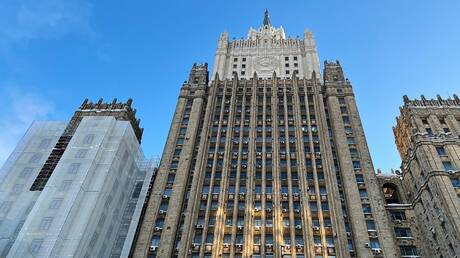
Vladimir Safronkov, Russia's envoy for Middle Eastern affairs, has warned that the Gulf War contributes to creating a conducive environment for terrorist groups, threatening the stability of the region. These warnings come at a time when many countries in the Middle East are suffering from the repercussions of ongoing conflicts, increasing the chances for extremist groups to exploit these situations.
Speaking at a press conference, Safronkov emphasized that armed conflicts, such as those witnessed in the region during the Gulf War, provide terrorist groups with opportunities to expand and extend their reach. He pointed out that these groups benefit from chaos and instability to achieve their objectives, putting regional security at risk.
Details of the Event
The Gulf War, which erupted in 1990, is considered one of the most significant events that shaped the contours of conflict in the Middle East. It led to a large-scale military intervention by an international coalition led by the United States against Iraq, following the latter's invasion of Kuwait. Despite the war's conclusion, its repercussions continue to persist, as it has exacerbated political and economic crises in the region.
In the years following the war, the region witnessed a surge in the activities of terrorist groups, such as Al-Qaeda and ISIS, which exploited the political and economic chaos to expand their operations. Safronkov noted that these groups still pose a significant threat to both regional and international security.
Context and Background
Historically, the Arab region has experienced numerous armed conflicts that have contributed to creating fertile environments for the growth of extremist groups. After the Gulf War, Iraq experienced internal conflicts that led to the disintegration of the state, allowing terrorist organizations like ISIS to emerge. Additionally, political crises in countries such as Syria, Libya, and Yemen have further complicated the security situation in the region.
These crises are a direct result of foreign interventions and internal conflicts, creating a state of instability that terrorist groups exploit. Reports have shown that these groups take advantage of poverty, unemployment, and corruption to enhance their influence.
Implications and Effects
Russian warnings indicate that the continuation of chaos in the region could exacerbate security situations, threatening the stability of neighboring countries. Terrorist groups do not limit their operations to the countries affected by conflicts; their impacts extend to neighboring states, increasing the risk of violence and terrorism spreading.
The rise in terrorist activity could also affect international relations, as major powers may be compelled to reassess their security and military strategies in the region. This could lead to increased military interventions, exacerbating the situation and increasing civilian suffering.
Impact on the Arab Region
Russian warnings serve as a wake-up call for Arab countries, emphasizing the need for effective steps to confront terrorist threats. Security cooperation among Arab nations has become an urgent necessity to tackle these challenges. Furthermore, enhancing economic and social development in conflict-affected areas can contribute to reducing the opportunities for terrorist groups to exploit.
Ultimately, the current situation in the Arab region requires a comprehensive response that includes regional and international cooperation to address security threats. The challenges facing the region are not confined to a single country; rather, they are collective challenges that necessitate joint efforts.