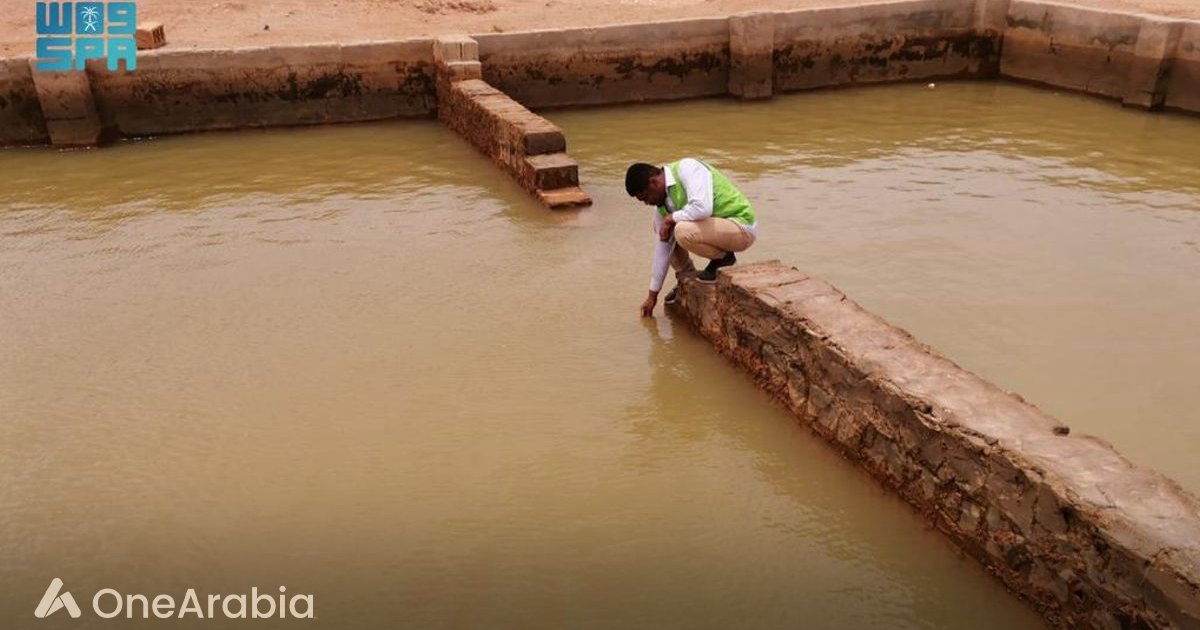
Saudi Arabia has announced an ambitious plan to rehabilitate one million hectares of agricultural land, which has received widespread acclaim from the Food and Agriculture Organization (FAO). This initiative is part of the kingdom's efforts to enhance food security and improve environmental quality, aligning with Vision 2030, which aims for sustainable development.
The kingdom seeks to improve agricultural production and provide more economic opportunities for farmers through this initiative. It also aims to address environmental challenges faced by certain regions, such as desertification and soil degradation, which negatively impact agricultural output.
Details of the Initiative
The rehabilitation plan includes the use of modern agricultural techniques, such as precision farming and smart irrigation, which will contribute to increasing the efficiency of water resource utilization. Additionally, the plan will involve the cultivation of new crop varieties that are suited to local climatic conditions, thereby enhancing the kingdom's ability to achieve food self-sufficiency.
The FAO noted that this initiative will help improve food security in the kingdom, as agriculture is one of the vital sectors that directly affects citizens' lives. It will also contribute to creating new job opportunities, thereby boosting the local economy.
Background & Context
This step comes at a time when the world is facing significant challenges in food security, especially due to climate change affecting agricultural production in many countries. The kingdom, which heavily relies on food imports, aims through this initiative to reduce dependence on foreign sources and enhance local production.
Historically, agriculture in the kingdom has faced numerous challenges, such as water scarcity and desertification. However, the Saudi government is working on developing new strategies to improve this sector, in line with Vision 2030, which aims to achieve sustainable development.
Impact & Consequences
This initiative is expected to have positive environmental impacts, as it will contribute to improving soil quality and increasing green spaces. It will also enhance the kingdom's ability to tackle environmental challenges, such as desertification and the degradation of natural resources.
Moreover, this step will strengthen the kingdom's position as a key supporter of food security in the region, potentially opening new avenues for cooperation with other countries in agriculture and sustainable development.
Regional Significance
This initiative serves as a model for other countries in the Arab region, many of which face similar challenges in food security. This step could inspire other nations to adopt similar strategies aimed at enhancing local production and improving environmental quality.
In conclusion, this initiative reflects Saudi Arabia's commitment to achieving sustainable development and enhancing food security, contributing to improving the quality of life for citizens and strengthening the national economy.