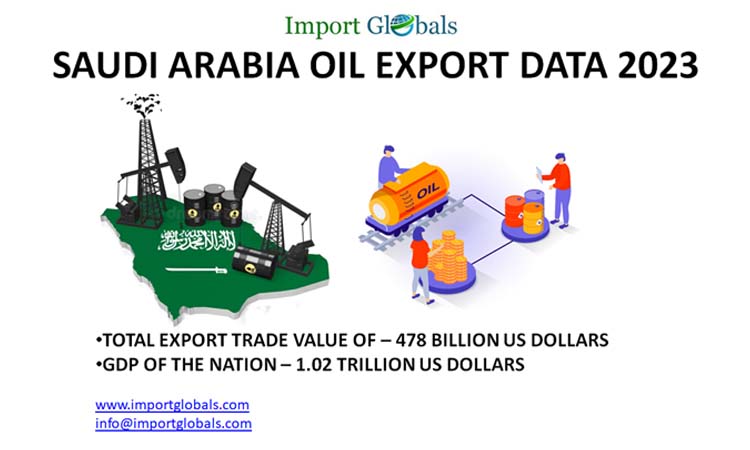
Saudi Arabia has announced its plan to export 5 million barrels of oil daily, with 2 million barrels allocated for local consumption. This step is part of the kingdom's efforts to strengthen its role as one of the largest oil exporters in the world and to meet the domestic energy market's needs.
This initiative is part of Saudi Vision 2030, which aims to diversify the economy and reduce reliance on oil as the main source of revenue. The government seeks to enhance investments in non-oil sectors while maintaining stability in the global oil market.
Details of the Announcement
In this context, the Saudi Ministry of Energy confirmed that oil exports will continue to rise, focusing on improving the quality of petroleum products. Officials also indicated that this move will contribute to achieving a balance between supply and demand in the global market.
These decisions come at a time when the global market is experiencing significant fluctuations due to geopolitical crises and climate changes, affecting oil prices. This strategy is expected to enhance the kingdom's ability to face future challenges.
Background & Context
Historically, Saudi Arabia has heavily relied on oil revenues, making it vulnerable to fluctuations in global oil prices. However, in recent years, the kingdom has begun implementing economic reforms aimed at reducing dependence on oil by diversifying income sources.
Vision 2030 is one of the most important strategic plans launched by Saudi Arabia, focusing on developing sectors such as tourism, entertainment, and technology. These steps reflect the kingdom's commitment to achieving sustainable development and improving the living standards of its citizens.
Impact & Consequences
Through these measures, Saudi Arabia aims to strengthen the stability of its national economy and provide new job opportunities for its citizens. Additionally, increasing oil exports will enhance the kingdom's position in the global market, potentially leading to increased foreign investments.
Despite the challenges facing the kingdom, this strategy may contribute to reinforcing its status as a key player in the global energy market. Furthermore, directing part of the production for local consumption reflects the government's commitment to meeting the needs of its citizens.
Regional Significance
Saudi Arabia's decisions directly impact other Arab countries, as the kingdom is one of the largest producers and exporters of oil in the region. An increase in production may lead to stabilizing oil prices, benefiting the economies of other oil-dependent nations.
These steps may also encourage other Arab countries to implement similar reforms aimed at diversifying their economies and reducing reliance on oil. Stability in the oil market could contribute to enhancing economic cooperation among Arab nations.
In conclusion, these measures reflect Saudi Arabia's commitment to achieving sustainable development and enhancing its position in the global market, potentially opening new horizons for the national economy and strengthening regional stability.