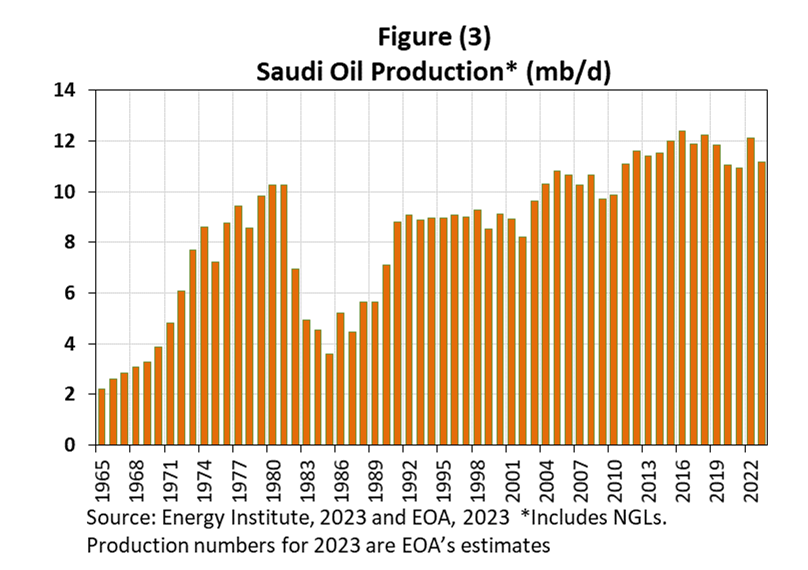
Saudi Arabia has announced a significant achievement in oil production, surpassing 4 million barrels per day, which enables it to bypass the Strait of Hormuz, one of the world's most important maritime corridors for oil transportation. This development reflects the kingdom's strategy to enhance its production capacity and expand its influence in the global energy market.
This move comes at a time when the oil market is experiencing significant fluctuations, as many countries seek to reduce their reliance on traditional energy sources. Thanks to this massive production, Saudi Arabia can play a pivotal role in stabilizing global oil prices and meeting the increasing demand.
Details of the Achievement
Saudi Arabia has surpassed the Strait of Hormuz with its daily production of 4 million barrels, representing a notable increase in its production capacity. This achievement aligns with the kingdom's Vision 2030, which aims to reduce dependence on oil and diversify the economy. Additionally, this production allows Saudi Arabia to reinforce its position as the largest oil exporter in the world, granting it greater leverage in international forums.
This step is also a response to the challenges facing the oil industry, including environmental and political pressures. The kingdom seeks to enhance the sustainability of its oil production by employing modern technologies in oil extraction and improving operational efficiency.
Background & Context
Historically, the Strait of Hormuz is a vital point for oil transportation, through which approximately 20% of total global oil exports pass. However, geopolitical tensions in the region, including conflicts with Iran, have affected transportation through this strait. Therefore, Saudi Arabia's ability to overcome these challenges by increasing its production reflects its smart strategy in managing its resources.
This move also comes amid growing global interest in renewable energy, making it essential for oil-producing countries like Saudi Arabia to adapt to market changes. The kingdom is expected to continue its investments in renewable energy while maintaining its position in the traditional oil market.
Impact & Consequences
The implications of this achievement extend beyond the kingdom, as it can directly affect global oil prices. Increased production may lead to price stabilization or even a decrease if supply rises. Furthermore, this step could enhance Saudi Arabia's ability to influence decisions within OPEC, allowing it to play a more significant role in directing global energy policies.
Moreover, this achievement may contribute to attracting foreign investments to the kingdom, as investors seek to capitalize on available opportunities in the energy sector. It may also strengthen Saudi Arabia's position as an energy hub in the region, opening new avenues for cooperation with other countries.
Regional Significance
Considering the positive impact of this achievement on the Arab region, it may enhance the stability of oil-producing countries and increase their capacity to face economic challenges. Additionally, increased production could improve economic conditions in neighboring countries that rely on oil exports.
In conclusion, Saudi Arabia's surpassing of the Strait of Hormuz with a production of 4 million barrels per day marks a significant transformation in the oil market, reflecting the kingdom's ability to adapt to global changes. This achievement not only enhances Saudi Arabia's status but also opens new horizons for cooperation and development in the region.