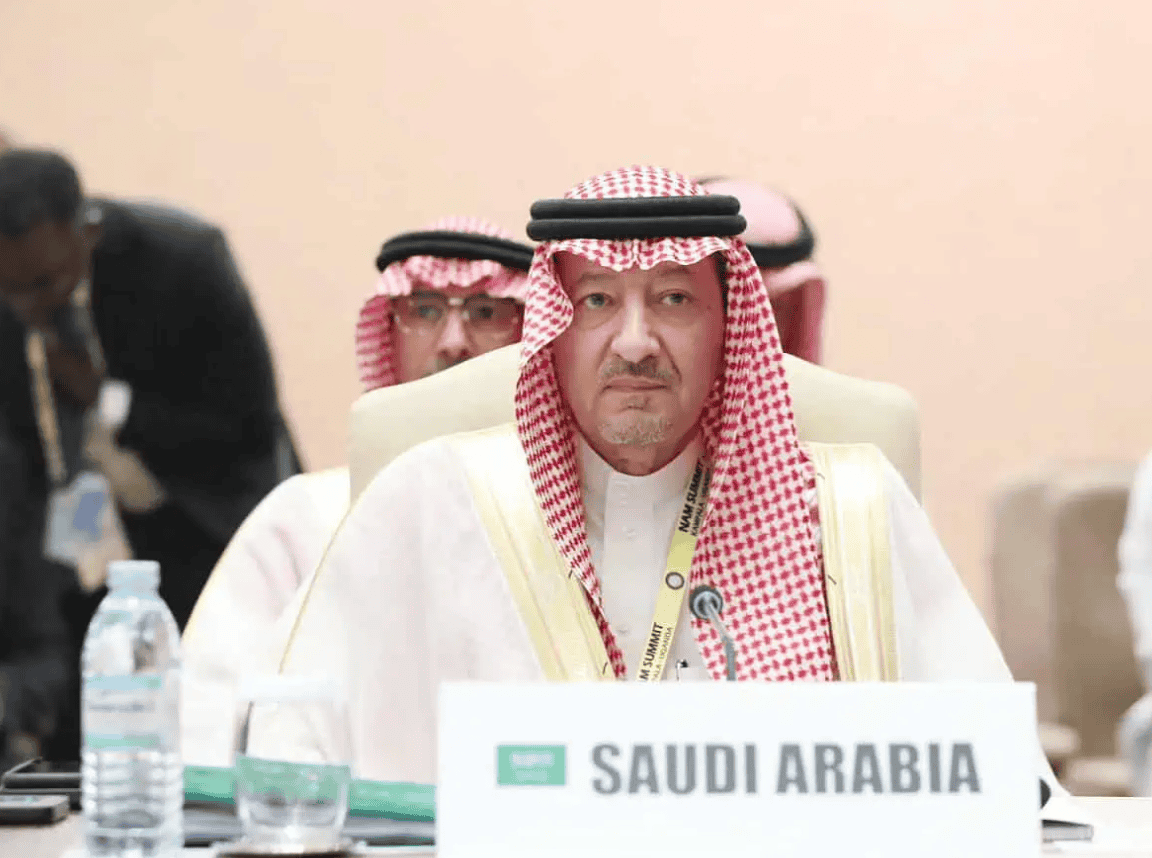
The Saudi Deputy Foreign Minister, Prince Faisal bin Farhan, chaired the Kingdom's delegation at the 165th ordinary session of the Arab League Council at the ministerial level. This meeting comes at a critical time when the Arab region is facing numerous political and economic challenges.
The agenda of the meeting included discussions on several important issues, including the situations in Palestine, Syria, and Libya, in addition to the economic challenges facing Arab countries. There was also a focus on enhancing Arab cooperation in the fields of security and sustainable development.
Event Details
The meeting was held at the headquarters of the Arab League in Cairo, where representatives from member states gathered to discuss the issues at hand. The importance of Arab coordination in addressing current challenges was emphasized, with many ministers calling for enhanced joint Arab action.
Topics related to strengthening Arab national security and addressing threats faced by some countries were also discussed, along with the importance of supporting development efforts in the less developed Arab nations.
Background & Context
The Arab League was established in 1945 with the aim of promoting cooperation among Arab countries in various fields. Over the years, the League has faced numerous challenges, including internal and external conflicts that have impacted the stability of the region.
In recent years, economic and social issues have gained prominence on the League's agenda, as member states strive to achieve sustainable development and improve the living standards of their citizens.
Impact & Consequences
The current meeting represents an opportunity for Arab countries to unite in the face of shared challenges. Many ministers have stressed the need to enhance cooperation in the areas of security and economy, which could contribute to achieving stability in the region.
The outcomes of this meeting may directly influence the foreign policies of member states, especially in light of increasing regional and international tensions.
Regional Significance
These meetings are essential for strengthening Arab unity, particularly under current circumstances that require collective efforts to address challenges. Enhancing Arab cooperation could also contribute to improving economic and social conditions in member states.
In conclusion, the ordinary session of the Arab League Council serves as a vital platform for discussing pressing issues, reflecting the commitment of Arab countries to work together towards achieving security and stability in the region.