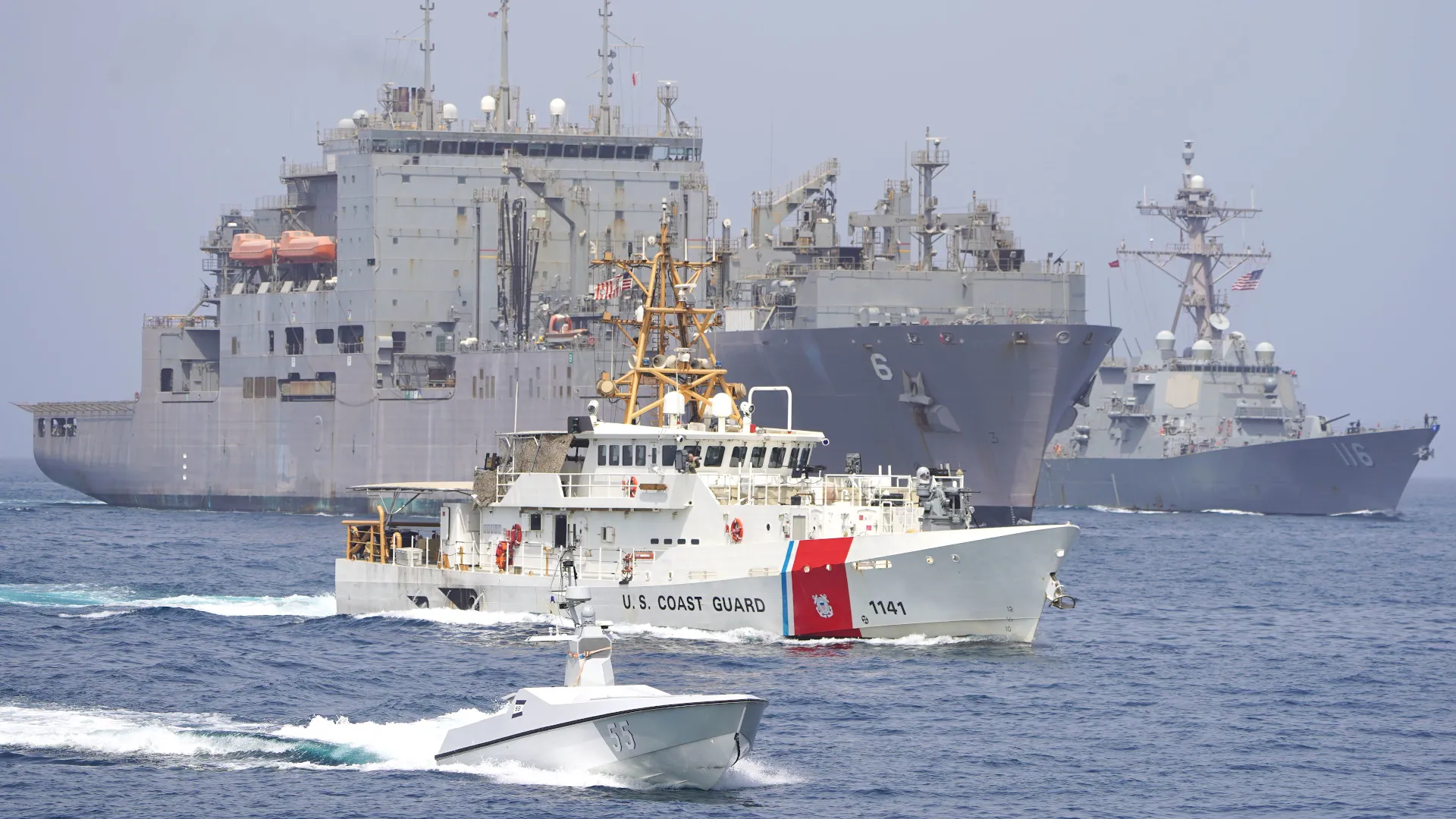
Some ships have begun to transit the Hormuz Strait, which experts view as a positive sign reflecting improved security in the region. This development comes at a critical time marked by global economic and political fluctuations, as the Hormuz Strait is one of the most important waterways in the world, through which approximately 20% of the world's total oil passes.
This news follows a period of security tensions in the region, which significantly impacted maritime navigation. Officials have confirmed that this step represents the beginning of restoring confidence in maritime safety, potentially contributing to the enhancement of global trade.
Details of the Event
In statements made by officials in the maritime transport sector, it was confirmed that a number of commercial ships have already begun to cross the strait, reflecting an improvement in security conditions. Experts noted that this step comes after intensive diplomatic efforts by the concerned countries to ensure the safety of navigation.
There has also been an observed increase in the number of ships transiting the strait, indicating a revival of commercial activity in the region. This development is particularly significant given the economic crises faced by many countries.
Background & Context
The Hormuz Strait is a vital transit point for oil and natural gas, with approximately 17 million barrels of oil passing through it daily. The region has experienced increasing tensions in recent years, particularly following the escalation of conflicts between Iran and the United States, which negatively affected maritime navigation.
In recent years, many ships have been subjected to attacks, leading to the imposition of strict security measures. However, the recent improvement in the security situation may contribute to building trust among nations and encourage the resumption of commercial activity.
Impact & Consequences
These developments are positive for the global economy, as the stability of maritime navigation in the Hormuz Strait could contribute to lowering oil prices and enhancing the stability of financial markets. Additionally, this situation may open the door to new investments in the region, fostering economic growth.
On the other hand, these developments could lead to improved relations among competing countries in the region, potentially contributing to a reduction in political tensions. Nevertheless, the security situation in the area requires close monitoring to ensure that crises do not flare up again.
Regional Significance
This news is important for Arab countries that heavily rely on oil exports, as stability in navigation through the Hormuz Strait means greater economic stability for these nations. Furthermore, this situation may enhance cooperation among Arab countries in trade and transportation.
Ultimately, hope remains that these positive signals will continue, and that the international community can achieve lasting stability in the region, benefiting all parties involved.