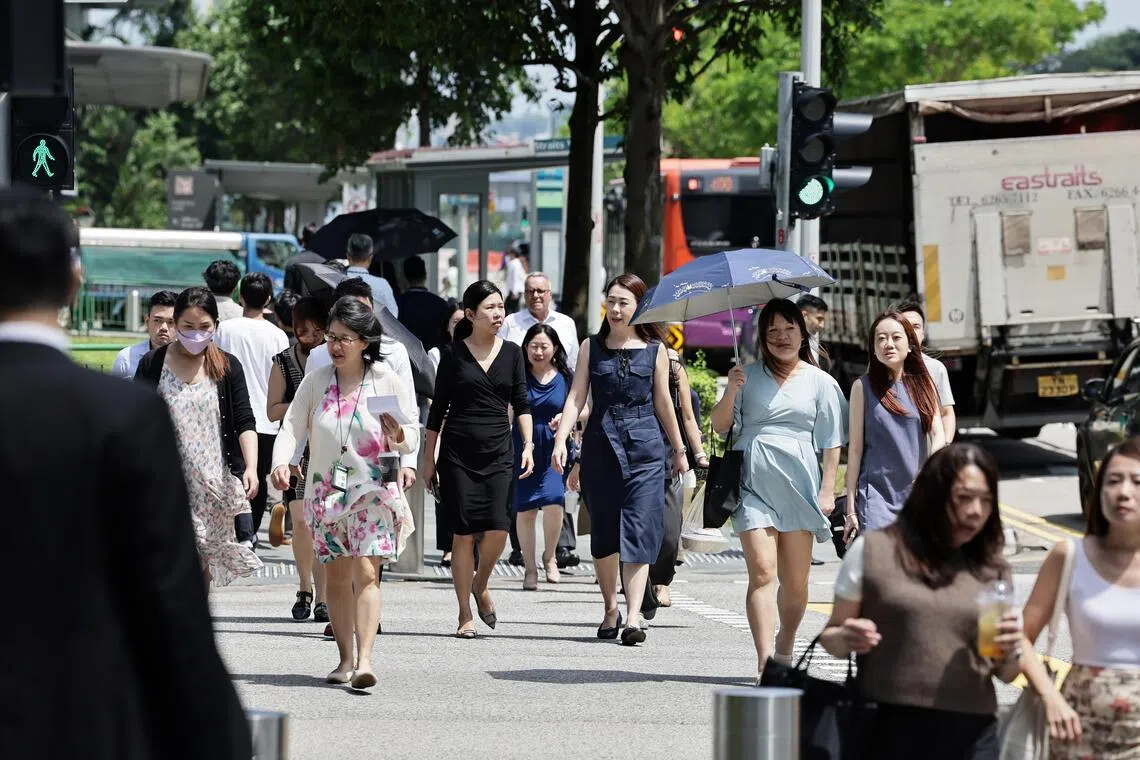
In a move that reflects its commitment to improving the rights of families and women, Singapore has presented a report to the United Nations that includes a range of new policies. The report emphasizes the importance of supporting families through enhanced paternity leave, along with the Women's Development Paper issued in 2022.
The Singaporean government aims to enhance the role of women in society and provide a fairer work environment through these policies. This includes improving working conditions and providing necessary support for families, contributing to a better balance between work and family life.
Details of the New Policies
The new policies announced in the report include a paid paternity leave of 16 weeks, reflecting the government's commitment to supporting fathers in raising their children. Additionally, there is a focus on creating a suitable work environment for women, with the Women's Development Paper presenting strategies to enhance women's participation in the labor market.
Through these initiatives, Singapore aims to achieve the Sustainable Development Goals, particularly Goal 5, which focuses on achieving gender equality and empowering all women and girls. These steps reflect the government's vision of enhancing women's roles in society and achieving gender balance.
Background & Context
Historically, women in many countries have faced inequality in job opportunities, affecting their participation in economic and social life. However, many countries, including Singapore, have begun to take serious steps towards improving women's rights and providing a more supportive work environment.
In recent years, Singapore has seen a significant improvement in the percentage of women participating in the labor market, with the rate gradually increasing. This improvement reflects the government's commitment to promoting women's rights and providing equal opportunities.
Impact & Consequences
These policies are viewed as a positive step towards achieving gender equality, as they contribute to improving working conditions for women and enhancing their roles in society. It is expected that these initiatives will lead to an increase in the percentage of working women in Singapore, which will contribute to strengthening the national economy.
Moreover, improving family rights through enhanced paternity leave can strengthen family bonds, benefiting society as a whole. These policies may serve as a model for other countries seeking to achieve gender equality.
Regional Significance
The Singaporean experience in enhancing women's and family rights is seen as a model for the Arab region. Arab countries can benefit from these policies to develop similar strategies that promote women's rights and provide a more supportive work environment.
Achieving gender equality in the Arab world requires continuous efforts from governments and civil society, with a priority given to empowering women in all fields. Singapore's experience may inspire Arab countries to adopt new policies that support the rights of women and families.