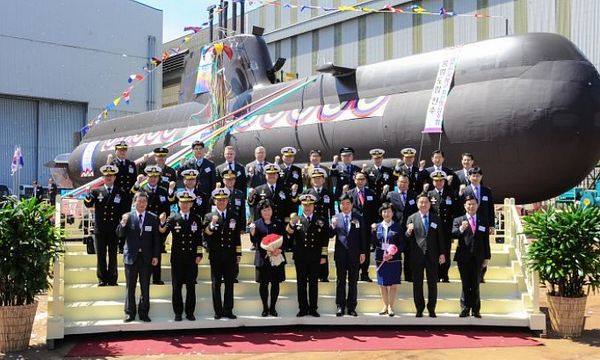
South Korea has successfully broken the US dominance in the arms market due to escalating tensions from the Iran war. This shift reflects strategic changes in the global balance of power.
In recent years, South Korea has witnessed significant growth in its defense industry, making it one of the prominent players in the global arms market. The tensions in the Middle East, particularly the war in Iran, have boosted demand for South Korean weapons, as many countries seek to diversify their sources of armament away from traditional reliance on the United States.
Details of the Event
Reports indicate that South Korea has signed arms deals with several countries in the region, leading to a substantial increase in its arms exports. These deals include air defense systems and fighter jets, which have become the focus of interest for many countries looking to enhance their military capabilities amid regional tensions.
This move represents a significant shift in global arms policy, where the United States has been the primary player in this market for decades. However, new trends in global defense policy may open the door for other countries like South Korea to expand their influence in this field.
Background & Context
Historically, the United States has been the leading arms supplier in the world, controlling a large portion of the market. However, with the escalation of crises in the Middle East, countries have begun to seek alternatives to secure their military needs. South Korea, which possesses an advanced defense industry, has seized this opportunity to expand its exports.
These developments come at a sensitive time, as concerns grow over escalating tensions in the region, prompting countries to be more cautious in enhancing their defense capabilities. Additionally, changes in US policy towards the Middle East have contributed to pushing countries to seek new sources of armament.
Impact & Consequences
This shift in the arms market has profound implications for the global balance of power. With increased exports from South Korea, the dynamics of military alliances in the region could change. Countries that have relied on the United States may find themselves compelled to turn to South Korea for weapons and military technology.
This situation may also lead to increased competition among major powers in the defense industry, which could affect prices and the technology available to developing countries. Investments in this sector are expected to rise, enhancing South Korea's ability to compete in global markets.
Regional Significance
For Arab countries, this development represents an opportunity to enhance their military capabilities through cooperation with South Korea. Many Arab nations are seeking to modernize their armies and develop their defense systems, making them potential major customers for South Korean weapons.
This shift could also strengthen economic relations between South Korea and Arab countries, opening new avenues for cooperation in various fields, including technology and industry.
In conclusion, South Korea's break from US dominance in the arms market signifies a strategic shift that could impact the global balance of power, reflecting dynamic changes in global defense policy.