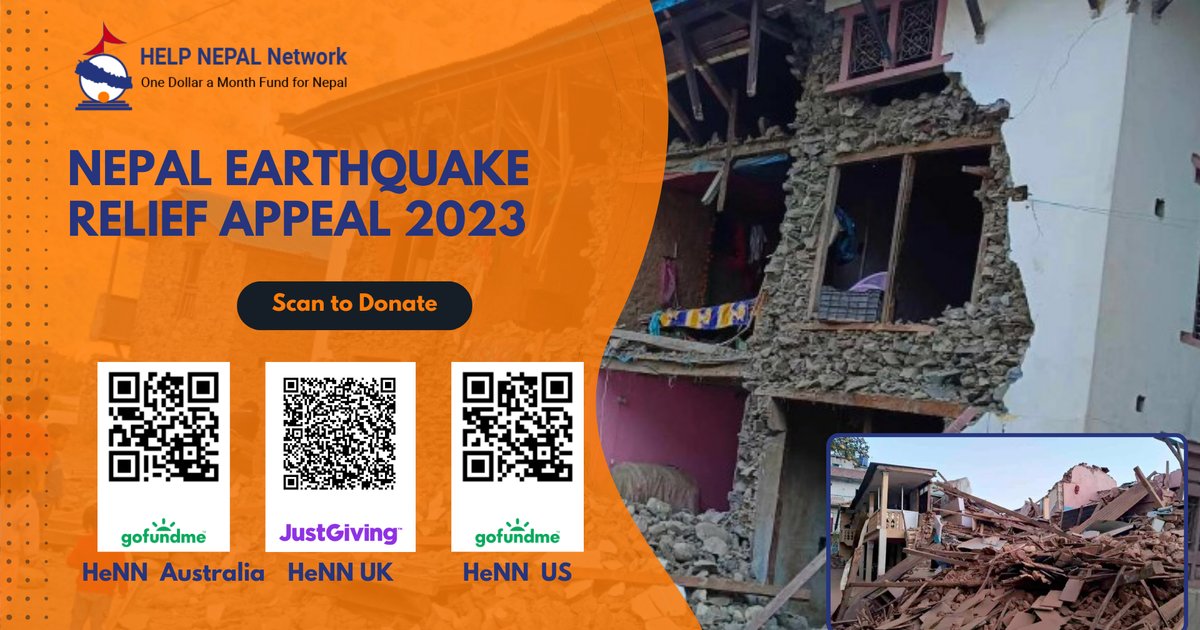
A powerful earthquake measuring 6.5 on the Richter scale struck Nepal, triggering fears of significant damage in affected areas. The quake occurred early this morning, causing panic among residents. According to initial reports, residents in the capital Kathmandu felt the tremors, with many rushing into the streets in search of safety.
Local authorities reported that the epicenter of the earthquake was located near the city of Bhairahawa, at a depth of approximately 10 kilometers. Several aftershocks were recorded following the main quake, increasing the anxiety among the population. Rescue and emergency teams are on high alert, having been dispatched to the most affected areas to assess damage and provide necessary assistance.
Details of the Event
Nepal is an active seismic zone, situated on the edge of the Indian plate that overlaps with the Eurasian plate. The country has experienced numerous devastating earthquakes in the past, including the 2015 earthquake that resulted in the deaths of over 9,000 people and the destruction of many historical buildings.
The recent earthquake comes at a sensitive time, as the country is still recovering from the impacts of previous natural disasters. Seismologists have indicated that seismic activity in the region may be increasing due to ongoing geological changes.
Background & Context
Nepal's history with earthquakes dates back centuries, with the country having witnessed many natural disasters that have affected millions of lives. The 2015 earthquake was the most destructive in the country's history, leading to a reevaluation of construction strategies and public safety measures.
Nepal is also a popular tourist destination, attracting visitors from around the world with its towering mountains and rich culture. However, the ongoing threat of earthquakes places pressure on the government and local communities to develop effective emergency plans.
Impact & Consequences
The recent earthquake is expected to have long-term effects on Nepal, both economically and socially. Potential damages may disrupt business and tourism activities, impacting the local economy, which heavily relies on tourism.
There are also concerns regarding the safety of buildings and infrastructure, as many facilities may need reassessment or even reconstruction. The Nepali government will face significant challenges in providing assistance to those affected and ensuring necessary support for reconstruction efforts.
Regional Significance
Although Nepal is far from the Arab region, earthquakes and other natural disasters remain a globally significant issue. Natural disasters can impact global markets, including food and commodity prices, which may affect Arab countries that rely on imports.
Furthermore, past experiences in dealing with natural disasters can provide valuable lessons for Arab countries facing similar challenges, such as floods or earthquakes.
In conclusion, hope remains for Nepal's ability to overcome this ordeal, as everyone looks forward to an effective response from the government and the international community to assist those affected and rebuild the country.