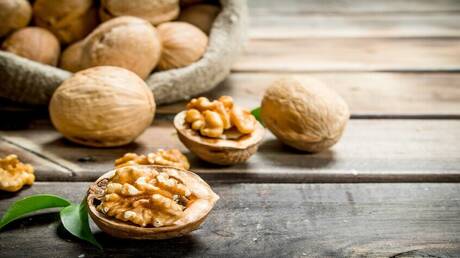
A recent scientific study has shown that parts of walnut fruits that are typically discarded, such as the shell and the green outer covering, carry important health benefits that can contribute to enhancing overall health. These findings come at a time when there is increasing interest in natural food sources and their health benefits.
Walnuts are known to be nutrient-rich nuts, but the outer shell, which is often thrown away, contains beneficial compounds such as antioxidants and fiber. These compounds play a crucial role in preventing various diseases, including heart disease and diabetes.
Details of the Study
The study conducted by a team of researchers at the University of Colorado confirmed that the outer shell of walnuts contains high levels of antioxidants, which are known for their ability to combat free radicals in the body. Free radicals are unstable molecules that can cause cellular damage and lead to chronic diseases.
The results also indicated that consuming the shell can help improve blood cholesterol levels, thereby reducing the risk of heart disease. The researchers explained that eating walnuts with their shells can enhance health benefits compared to consuming them without the shell.
Background & Context
Historically, many cultures have used different parts of plants for medicinal purposes, but in modern times, much of these parts have been neglected. Walnuts, which are considered popular nuts, have a long history of culinary and therapeutic use. However, the outer shell has not been widely utilized, making this study an important step toward reevaluating its benefits.
In recent years, there has been a growing interest in natural food sources and plant-derived supplements, reflecting a shift in health awareness among people. This study contributes to promoting this trend by highlighting unknown benefits of walnuts.
Impact & Consequences
The findings of this study are significant, as they could lead to changes in how walnuts are consumed. If the idea of consuming the shell is adopted as part of the diet, it could raise awareness of the benefits of neglected parts of other fruits and nuts.
Moreover, these findings could contribute to the promotion of the healthy food industry, where new products based on the shell could be developed, opening new avenues for innovation in this field.
Regional Significance
In the Arab region, walnuts are a common nut and are used in many traditional dishes. If the idea of consuming the shell is embraced, it could lead to improved public health and reduced food waste. It may also enhance the culture of sustainability in food consumption.
In conclusion, this study demonstrates the importance of reconsidering the neglected parts of food, which could lead to positive changes in dietary habits and enhance health benefits.