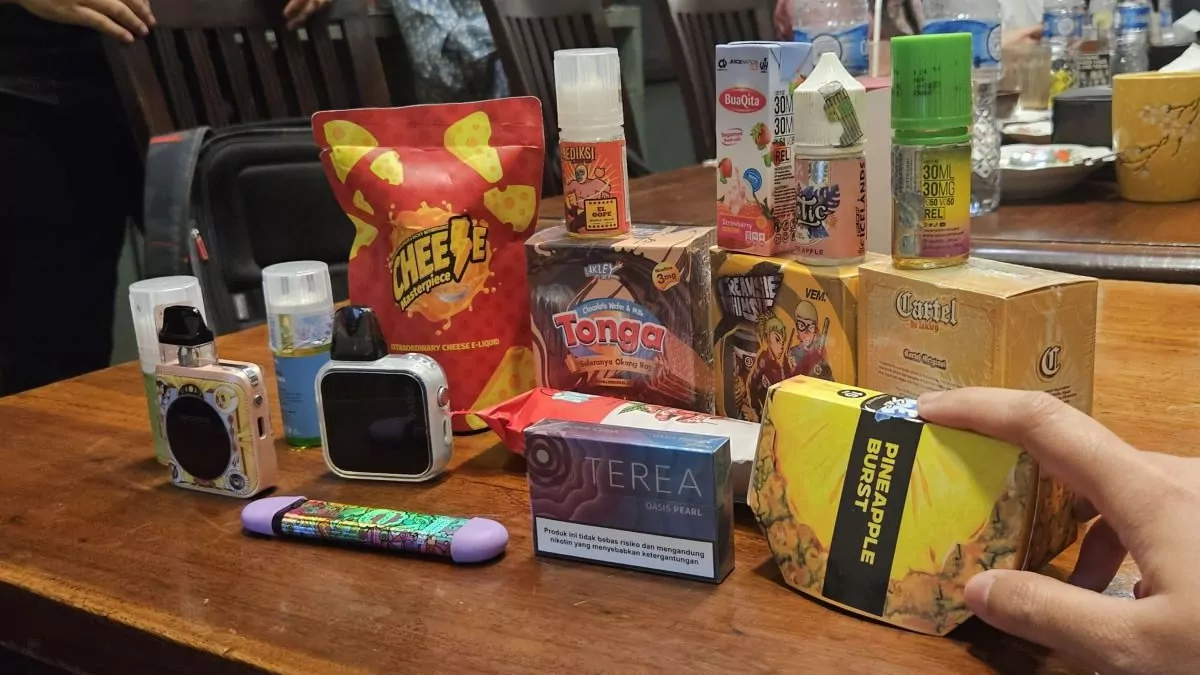
In a move aimed at protecting society from the dangers of drugs, Indonesian Minister of Rural Development, Yandri Susanto, has announced his full support for the proposal to ban e-cigarettes, commonly known as "vapes." Susanto explained that the use of these cigarettes could pave the way for drug consumption, especially among the youth demographic, which has seen a noticeable increase in users.
The minister noted that e-cigarettes have become popular across various age groups, heightening the risks of their use as a means to consume narcotics. Susanto emphasized that this step coincides with a proposal from the head of the National Narcotics Agency, who called for the inclusion of an e-cigarette ban in the drug law currently being discussed in parliament.
Event Details
Susanto's statements come at a critical time, as recent research has shown the presence of narcotic substances in some samples of e-liquid used in e-cigarettes. A study conducted on 341 samples revealed that 11 contained substances such as cannabinoids, along with one sample that tested positive for methamphetamine. These findings highlight the urgent need for strict measures to combat this growing phenomenon.
The minister also pointed out that the spread of drugs is no longer confined to urban areas but has begun to infiltrate villages and rural regions, necessitating a comprehensive response from all stakeholders. He stressed the importance of having clear legislation to protect society from these escalating risks.
Background & Context
Historically, Indonesia has seen a significant increase in drug use among youth, prompting the government to adopt stricter measures to combat this issue. With the rising popularity of e-cigarettes, there is growing concern about their use as a vehicle for drug consumption. These fears are not new, as previous cases have been documented where e-cigarettes were used to consume narcotic substances.
In recent years, the Indonesian government has launched awareness campaigns to combat drug use, but challenges remain, especially with the increasing number of young users. Therefore, including a ban on e-cigarettes in drug-related laws is considered a strategic step to bolster governmental efforts in this area.
Impact & Consequences
If this ban is implemented, it is likely to have a significant impact on the e-cigarette market in Indonesia. This could lead to a reduction in the number of users, particularly among youth, thereby decreasing the chances of drug consumption. However, this decision may face resistance from some e-cigarette manufacturers who may seek to protect their business interests.
Moreover, this decision could open the door to broader discussions on how to address drug issues in society and how to enhance awareness of the associated risks. It is crucial that there is a comprehensive response that includes education and awareness, alongside legal legislation.
Regional Significance
The issue of drugs is also a significant concern affecting many Arab countries. With the increasing use of drugs among youth in the region, it becomes essential to exchange experiences and practices among nations. Arab countries could benefit from Indonesia's experience in addressing this phenomenon by enhancing legislation and activating awareness programs.
In conclusion, this decision represents an important step towards protecting society from the escalating risks of drugs and reflects the Indonesian government's commitment to seriously confront these challenges.