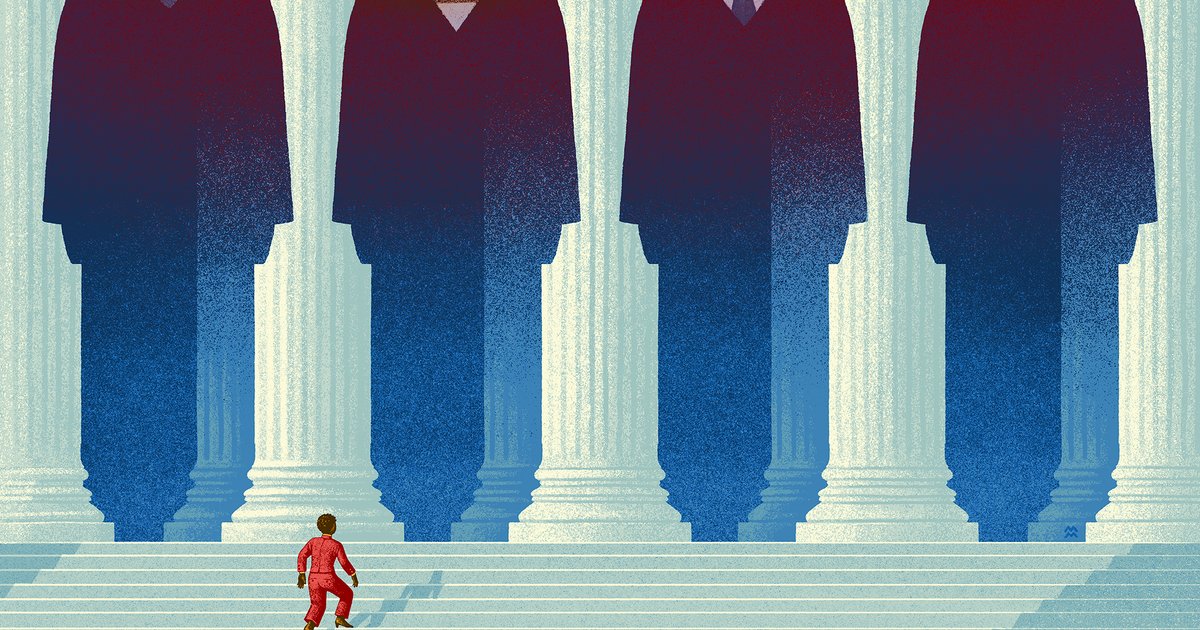
The U.S. Supreme Court is currently examining the issue of birthright citizenship, which directly affects the lives of many immigrants. A migrant mother residing in the United States voices her fears regarding the potential consequences of this ruling on her children's future.
Birthright citizenship is a sensitive topic in the United States, where any child born on American soil is entitled to U.S. citizenship, regardless of their parents' legal status. However, this issue may face significant changes amid the political and social pressures currently experienced in the country.
Details of the Case
The case revolves around the legal interpretation of U.S. citizenship law, with some lawmakers seeking to amend this law, which could result in denying citizenship rights to children born to undocumented parents. The migrant mother, who has chosen to remain anonymous, is concerned that her children may be targeted if this law is changed. She states, "I want to ensure my children's future, and I fear they will become victims of political decisions that do not reflect their reality."
This case coincides with a rise in anti-immigration rhetoric in the United States, where calls for stricter immigration laws have increased. This situation has raised concerns among many immigrant families living in the country, as they feel their basic rights are under threat.
Background & Context
Historically, birthright citizenship was established as part of the Fourteenth Amendment to the U.S. Constitution, which was adopted after the Civil War. This law aims to guarantee the rights of new citizens, including children born to non-American parents. However, the political and social changes the country has undergone in recent years have led to a reevaluation of this law.
In recent years, the United States has experienced waves of immigration, resulting in an increasing number of children born to undocumented parents. This situation has sparked widespread debate about the rights of these children and how their parents' legal status affects their future. Under these circumstances, the issue of birthright citizenship has become a hot topic in political discussions.
Impact & Consequences
If the birthright citizenship law is amended, it could create a new class of individuals living in the United States without citizenship, exposing them to significant legal and social risks. Additionally, this change could affect family relationships, as children may be separated from their parents if new laws are strictly enforced.
Moreover, this situation could exacerbate social tensions in the country, as many immigrants may feel targeted by the government. This could lead to increased tensions among different communities, potentially impacting the stability of American society as a whole.
Regional Significance
The birthright citizenship issue in the United States is of concern to many Arabs, especially those living in the diaspora. Many Arab families reside in the United States, and their children could be directly affected if this law is changed. This matter may also raise concerns for Arab countries facing political and economic crises, as many seek to immigrate to the United States in search of better opportunities.
In conclusion, the issue of birthright citizenship in the United States remains a complex topic that requires careful monitoring, as any changes could impact the lives of millions of immigrants and their children. It is crucial for immigrant voices to be heard in political discussions to ensure their rights and future.