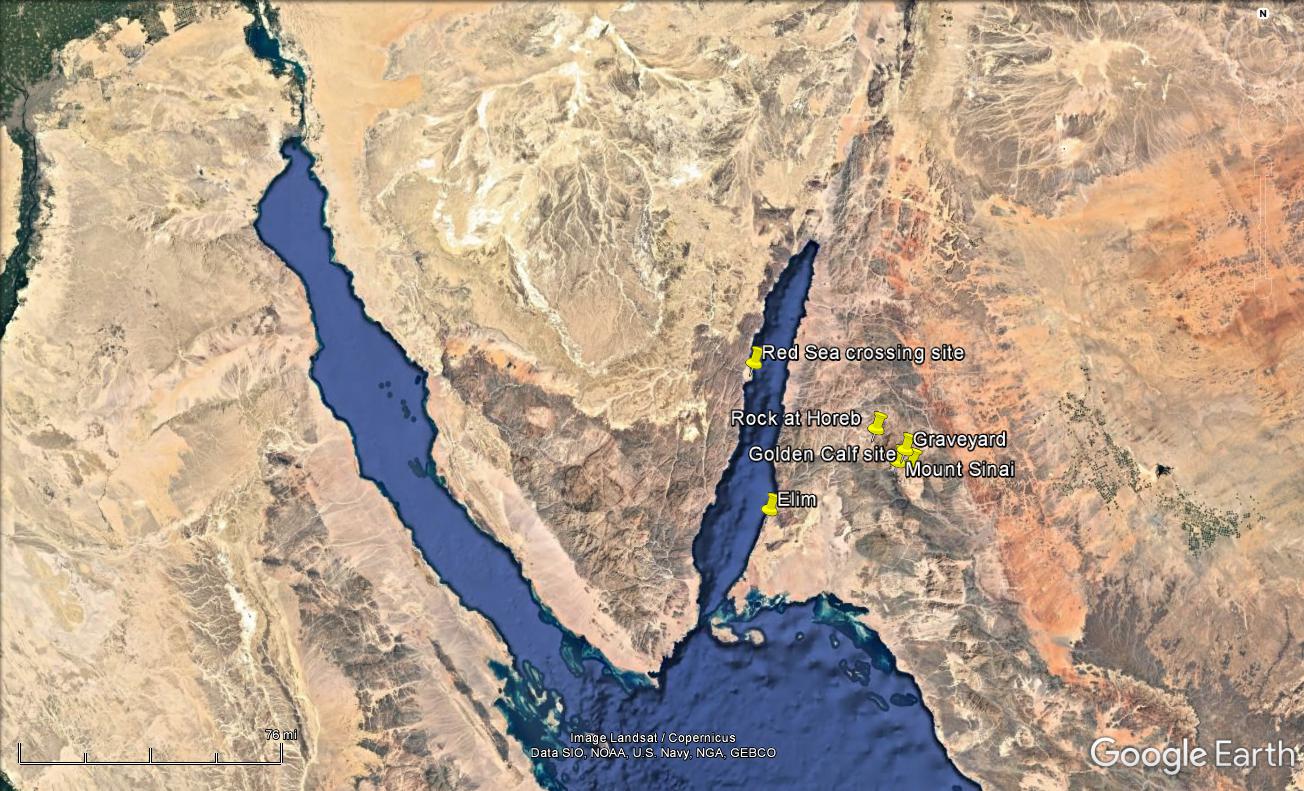
Egyptian authorities have announced a historic decision to suspend fishing activities in the Red Sea and the Gulf of Suez and Aqaba for four months, in a move aimed at protecting the marine environment and enhancing fish stocks. This decision comes at a time when these areas are witnessing a significant decline in fish wealth due to overfishing and environmental pollution.
The Red Sea, along with the Gulf of Suez and Aqaba, is known for its rich marine resources, hosting many rare fish species. With increasing pressures on these ecosystems, it has become essential to take stringent measures to preserve them. This decision is expected to contribute to the rehabilitation of fish stocks and improve marine life quality.
Details of the Decision
This step follows a series of studies that have shown a significant decline in fish populations in these areas. The Ministry of Agriculture and Land Reclamation has confirmed that the decision will take effect starting next month, during which all types of fishing will be prohibited, including commercial and recreational fishing.
Authorities will also intensify monitoring along the coasts to ensure compliance with this decision, imposing strict penalties on violators. This measure aims to protect fish wealth and ensure its sustainability for future generations.
Background & Context
Historically, the regions of the Red Sea, Gulf of Suez, and Aqaba have been renowned for their diverse fish wealth, but recent years have seen a notable decline due to overfishing and pollution. Environmental reports have indicated that some fish species in these areas have become endangered.
In recent years, the Egyptian government has taken several steps to protect the marine environment, including the establishment of marine reserves and the implementation of strict fishing laws. However, challenges remain, necessitating more stringent actions.
Impact & Consequences
This decision is expected to have a positive impact on the marine environment, as it will help rehabilitate fish stocks and improve water quality. Additionally, this decision may contribute to boosting eco-tourism, allowing visitors to enjoy observing diverse marine life.
However, local fishermen may face economic challenges as a result of this decision, as many rely on fishing as their primary source of income. Therefore, it is crucial for the government to take measures to support these fishermen during the suspension period.
Regional Significance
This decision is an important step in the context of regional efforts to protect the marine environment in the area. Other countries in the region, such as Jordan and Saudi Arabia, have taken similar steps to protect fish wealth.
Cooperation among Arab countries in the field of marine environmental protection can contribute to enhancing environmental sustainability and bolster joint efforts to address the environmental challenges facing the region.
In conclusion, the decision to suspend fishing in the Red Sea and the Gulf of Suez and Aqaba represents a bold step towards protecting the marine environment, requiring coordination between government agencies and local communities to ensure the success of this initiative.