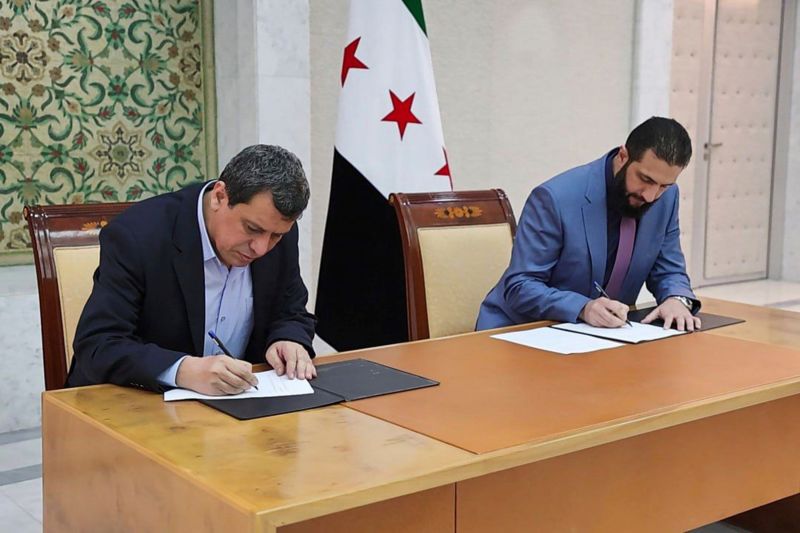
In a strategic move to enhance gas production, the Syrian Petroleum Company has signed an executive contract with Adis Saudi Arabia, aimed at developing several gas fields in Syria. This contract is part of a comprehensive plan to raise production and bolster energy security in the country.
According to a statement issued by the company, the contract includes maintenance and development work on existing wells, as well as drilling new exploratory wells using modern technologies. This is expected to lead to a gradual increase in gas production of up to 25% during the first six months of implementation, with this figure rising to over 50% by the end of the year.
Event Details
Syria aims to raise gas production to around 15 million cubic meters per day by the end of 2026, compared to approximately 7 million cubic meters currently. The Director of Institutional Communication, Safwan Sheikh Ahmad, stated that this agreement represents a "strategic turning point" in the development of the energy sector, transcending mere technical cooperation to form a step towards enhancing energy sovereignty and developing natural resources.
The project is not limited to improving the efficiency of existing fields around Homs but also opens the door to a new phase of qualitative exploration, allowing for the discovery of additional gas fields and increasing future production. Sheikh Ahmad also noted that the Syrian-Saudi partnership represents "a model for regional economic integration" that combines advanced technical expertise with local will.
Background & Context
Syria faces significant challenges in the energy sector, making the enhancement of gas production vital for supporting the national economy. The Syrian government is betting on the gas sector as one of the engines for economic recovery, seeking to secure stable supplies for industry and alleviate financial burdens.
This agreement comes as the Syrian Petroleum Company transitions from a phase of understandings to practical implementation, through partnerships with companies that possess extensive experience in developing oil and gas fields at the international level. This collaboration reflects Syria's desire to regain its position in the regional energy market.
Impact & Consequences
This agreement is expected to contribute to improving the economic situation in Syria, as increased gas production will provide stable supplies for the local industry. Moreover, enhancing gas production could help create new job opportunities and improve the living standards of the population.
Furthermore, this collaboration with Adis Saudi Arabia may open new horizons for investment in the energy sector, enhancing Syria's ability to attract foreign investments and strengthening its position in the regional market.
Regional Significance
This agreement represents an important step in the context of Arab cooperation, reflecting the potential for achieving economic integration among Arab countries. Additionally, enhancing gas production in Syria could contribute to stabilizing energy markets in the region, benefiting neighboring countries.
In conclusion, this agreement appears to mark a new beginning for the energy sector in Syria, potentially leading to significant leaps in production and enhancing the country's ability to face economic challenges.