As tensions escalate in the Gulf region, oil and water are recognized as primary causes of conflict among regional and international powers. In this context, both the aggressor and the victim demonstrate an increasing awareness of the importance of these vital resources, making them primary targets in ongoing disputes.
Attention is turning to how these targets will affect the future of the region, where oil is considered the lifeblood of Gulf economies, while water is an essential element for survival amid increasing climate challenges. The targeting of these resources reflects a deeper struggle than mere disputes over wealth; it is an existential conflict that requires immediate responses from all parties involved.
Details of the Event
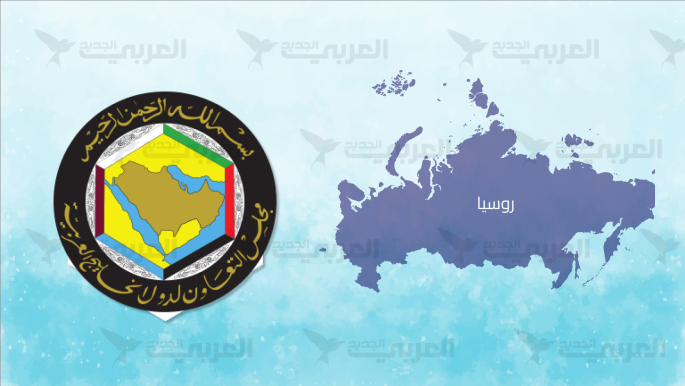
Recently, the region has witnessed a rise in tensions among oil-producing countries, as some powers seek to assert control over these resources. Russia represents a key player in this conflict, aiming to expand its influence in the Gulf through various strategies, including military and economic cooperation.
On the other hand, Gulf countries face both internal and external challenges related to energy and water security. Concerns are growing that these tensions could lead to armed conflicts affecting the stability of the entire region, necessitating dialogue and cooperation among the involved parties.
Background & Context
Historically, the Gulf region has been a center for conflicts due to its natural wealth. For decades, the area has experienced multiple disputes, ranging from regional wars to foreign interventions. In recent years, tensions have become more complex with the entry of new powers into the arena, intensifying the struggle over resources.
These events intertwine with climate changes affecting water sources, further complicating the situation. Environmental challenges impose additional pressures on nations, making it essential to seek sustainable solutions that promote cooperation rather than conflict.
Impact & Consequences
The repercussions of targeting oil and water extend beyond national borders, potentially destabilizing the region. Any escalation in conflict could impact global oil prices, negatively affecting economies reliant on these resources.
Moreover, disputes over water could lead to humanitarian crises, especially in countries suffering from acute shortages of this resource. Addressing these challenges requires international cooperation and a deep understanding of the humanitarian and environmental dimensions of the conflict.
Regional Significance
The Arab countries in the Gulf are among the most affected by conflicts over oil and water. The stability of these nations heavily depends on how they manage these resources. If tensions continue, the region may face serious economic and social crises.
Therefore, it is crucial for Arab countries to adopt effective strategies for cooperation in managing natural resources, contributing to regional security and stability. Dialogue and understanding among nations can be the key to resolving disputes and achieving sustainable development.
The targeting of oil and water in the Gulf and Russia reflects a complex struggle that requires immediate responses from all parties. Cooperation and dialogue are the only paths to achieving stability in the region.