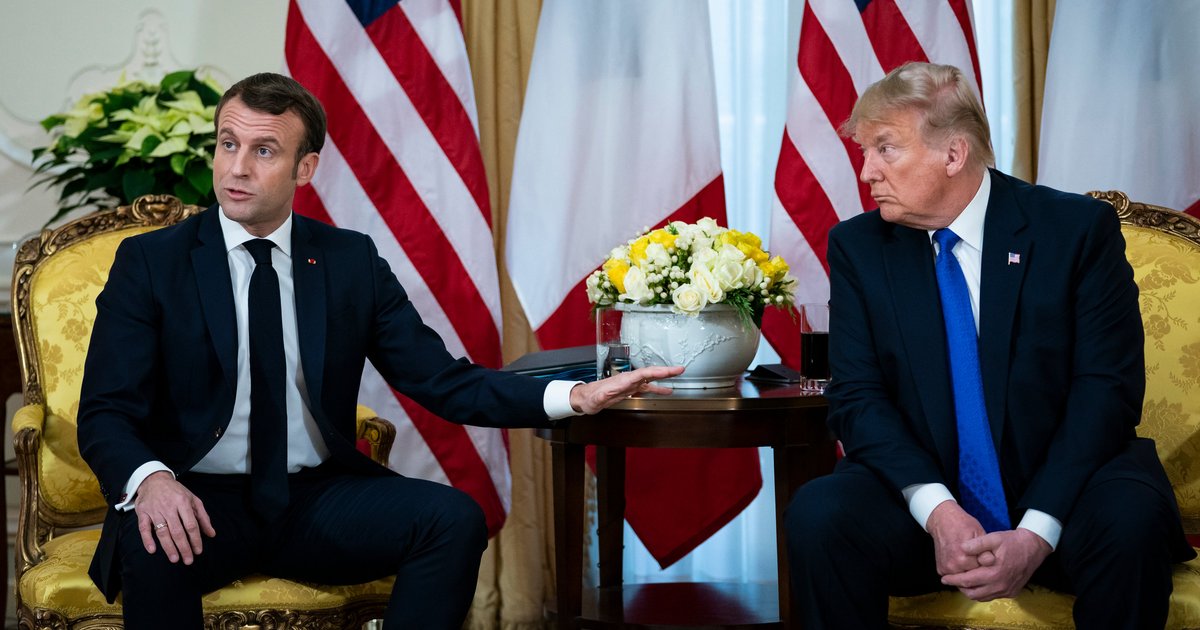
Former U.S. President Donald Trump has voiced his frustration regarding the declining support for NATO from European countries. In recent statements, Trump pointed out that the alliance no longer receives adequate attention and support from member states, which undermines its ability to confront global challenges.
These remarks come at a time when the world is witnessing significant geopolitical changes, with increasing threats from powers such as Russia and China. Trump has been known for his continuous criticism of NATO's role, arguing that European nations do not contribute enough to the alliance's budget, placing a burden on the United States.
Details of the Event
In his remarks, Trump emphasized that many European nations have not committed to the required defense spending, which NATO agreements stipulate should reach 2% of each country's gross domestic product. He considered this decline to reflect a lack of commitment from European allies, putting the United States in a difficult position.
Trump also added that this situation raises concerns, especially amid increasing tensions in Eastern Europe, where Russia continues to bolster its military presence. He indicated that the United States must reevaluate its commitments to NATO if this decline in European support continues.
Background & Context
NATO was established in 1949 as a military alliance aimed at countering Soviet threats during the Cold War. With the end of the Cold War, the alliance's role evolved to include new missions such as combating terrorism and cybersecurity. However, the new challenges facing NATO necessitate a reevaluation of its strategies.
In recent years, NATO has experienced internal divisions over issues such as defense spending, with Trump calling for European nations to take on more responsibility. This issue has sparked widespread debate in political circles, with some arguing that this criticism could weaken the unity of the alliance.
Impact & Consequences
Trump's statements could exacerbate divisions within NATO, potentially affecting the alliance's ability to operate effectively. If the decline in European support continues, the United States may find itself compelled to reassess its military strategies in Europe, which could lead to changes in the military balance in the region.
Moreover, these remarks may impact relations between the United States and European countries, potentially leading to new tensions in bilateral relations. Given the current security challenges, any division within NATO could have severe consequences for European security.
Regional Significance
As NATO faces new challenges, the situation in the Middle East remains complex. Tensions in the relationships between the United States and its European allies may affect American policies in the region, especially amid ongoing crises such as the conflicts in Syria and Iraq.
Additionally, any change in U.S. strategy towards NATO could influence American support for Arab countries facing security challenges. Therefore, the situation within NATO warrants close monitoring by Arab nations.
In conclusion, Trump's remarks regarding NATO highlight the increasing tensions in transatlantic relations, necessitating member states to reassess their commitments and take on greater responsibilities.