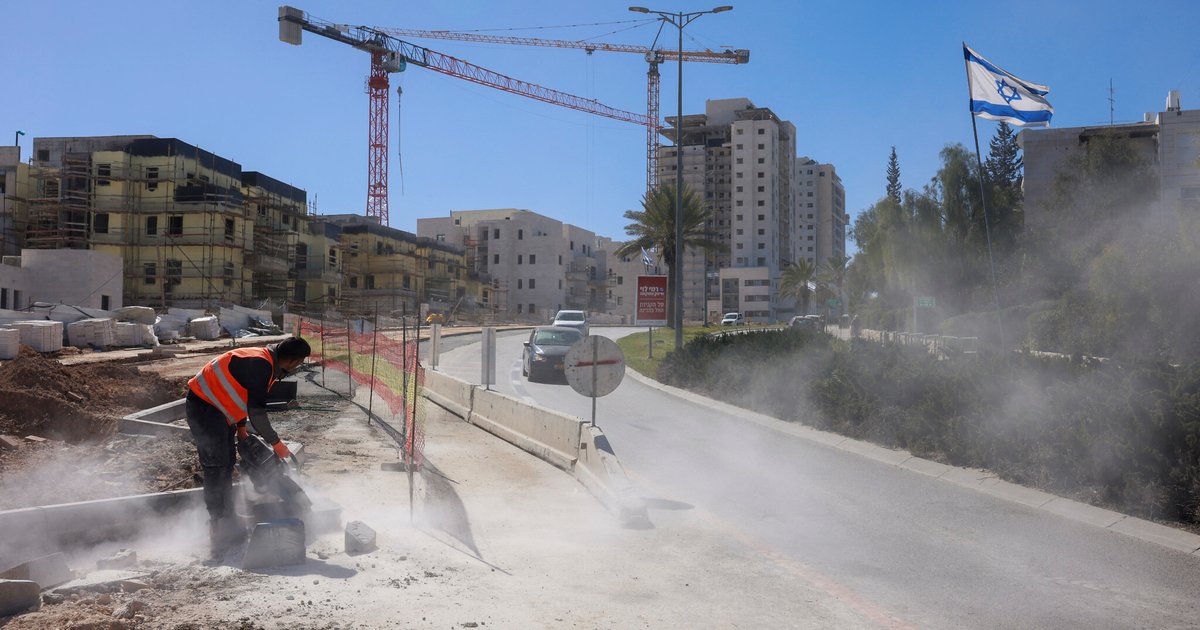
A new settlement plan has been revealed, aiming to displace Bedouins and complete the E1 project east of Jerusalem, escalating tensions in the region. This initiative involves expanding settlements at the expense of Palestinian lands, raising concerns within the international community and exacerbating instability in the area.
The new settlement plan targets the Bedouin population in the region, as the Israeli occupation seeks to evict them from their lands under the pretext of developing settlements. This action contradicts international laws that prohibit the displacement of indigenous populations and is considered a violation of human rights.
Details of the Settlement Plan
The E1 project is considered one of the major settlement initiatives that Israel seeks to implement, extending from the Ma'ale Adumim settlement to Jerusalem. This project aims to connect Israeli settlements in the West Bank with Jerusalem, which will significantly reduce the land available for a future Palestinian state.
Reports indicate that the project will lead to the displacement of thousands of Palestinians, as Bedouin villages in the area will be destroyed. This plan has provoked angry reactions from Palestinians and Arab countries, who view this action as part of Israel's expansionist settlement policy.
Background & Context
Historically, the region has witnessed a rise in Israeli settlement activity since the occupation of the West Bank in 1967. These activities have exacerbated the Israeli-Palestinian conflict, as Palestinians strive to establish their independent state on the lands occupied by Israel.
In recent years, the Israeli government has increased its support for settlement projects, leading to a deterioration in relations with Palestinians and the international community. These policies have been criticized by numerous human rights organizations, which argue that settlements violate Palestinian rights and hinder the peace process.
Impact & Consequences
The new settlement plan will worsen the humanitarian situation in the region, as Bedouins will suffer from the loss of their lands and livelihoods. Additionally, this action will heighten tensions between Palestinians and Israelis, potentially leading to new confrontations.
Furthermore, the continuation of settlement activities will negatively impact peace efforts in the region, as it will strengthen the positions of hardliners on both sides, making it difficult to reach a peaceful resolution to the conflict.
Regional Significance
This settlement plan not only affects Palestinians but also reflects on the relationships between Arab countries and Israel. Arab nations consider settlements a major obstacle to achieving peace, and these policies may escalate tensions in the region.
Moreover, the persistence of these policies may prompt Arab countries to reassess their relations with Israel, especially in light of recent developments in the area. The situation in Jerusalem and the West Bank remains a central focus in the Arab-Israeli conflict, requiring urgent international attention.
In conclusion, the new settlement plan remains part of Israel's expansionist policy, necessitating effective international action to protect Palestinian rights and ensure peace in the region.