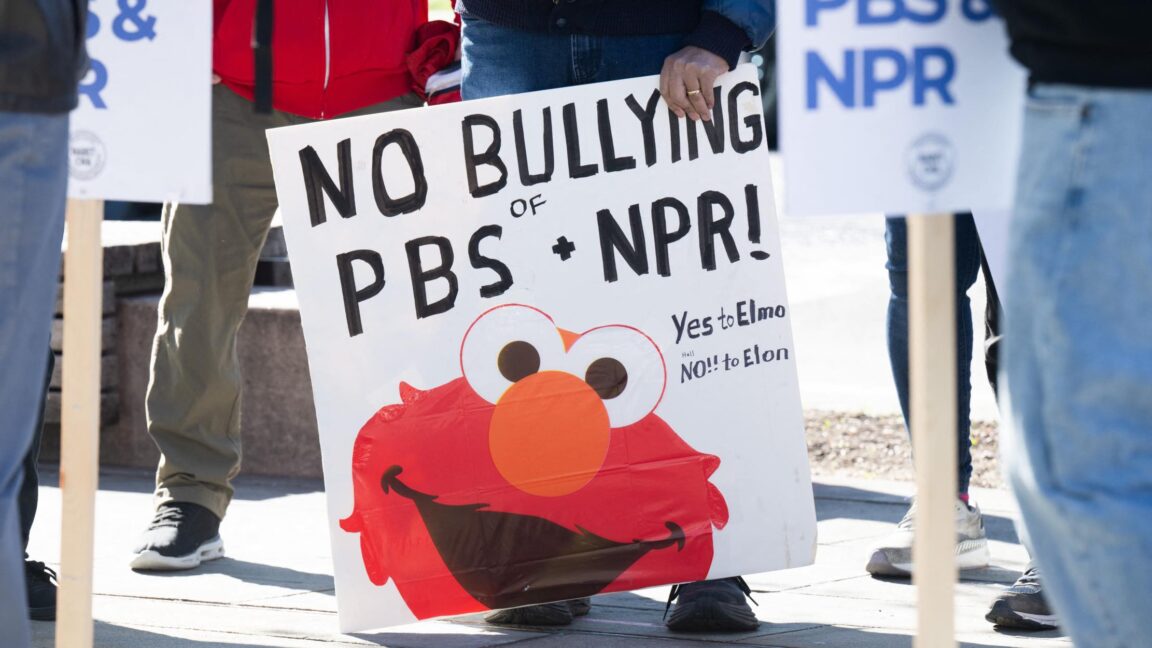
A U.S. judge has overturned the executive order issued by former President Donald Trump that aimed to reduce federal funding for NPR and PBS. While this ruling represents a victory for public media advocates, Congress has already cut all funding allocated to these entities, raising questions about the future of public media in the United States.
The judicial decision came after a lawsuit was filed by a group of public media advocates, with the judge ruling that Trump's executive order was illegal and violated federal laws. However, the funding cuts by Congress have already had negative impacts on the daily operations of both NPR and PBS, placing these institutions in a precarious position.
Event Details
In 2017, Trump issued an executive order aimed at reducing federal funding allocated to public media, which sparked strong reactions from advocates for media freedom. Many observers considered this order part of a broader strategy to undermine media institutions that criticize the administration. Although the judge has overturned the executive order, the long-term effects of the funding cuts by Congress may be more damaging.
NPR and PBS are leading media institutions in the United States, providing diverse educational and cultural content. However, their heavy reliance on federal funding makes them vulnerable to political changes, raising concerns about their independence and ability to continue providing their services.
Background & Context
NPR was established in 1970 and PBS in 1969, both playing significant roles in delivering news and information to the American public. However, federal funding for these institutions has experienced significant fluctuations over the years, with repeated attempts by some politicians to cut this funding. In recent years, pressures on these institutions have increased due to rising criticisms from certain political circles.
Historically, public media in the United States has been considered an essential part of the democratic system, providing a platform for diverse voices and fostering public discourse. However, the financial and political challenges facing NPR and PBS may affect their ability to fulfill this mission.
Impact & Consequences
The consequences of the funding cuts by Congress are serious, as they could lead to a reduction in the programs and services offered by NPR and PBS. This situation could directly affect the public, especially in communities that rely on these institutions for news and information. Additionally, funding cuts may lead to job losses and a reduction in staff, impacting the quality of the content provided.
Moreover, this situation may open the door for private media outlets that may not adhere to the same ethical and professional standards followed by NPR and PBS. This could lead to an increase in misinformation and a lack of comprehensive coverage of significant events.
Regional Significance
Although this event pertains to the United States, it also has implications for the Arab region. Public media plays an important role in promoting democracy and freedom of expression in any country. If media institutions in the United States are facing challenges, it may impact how Arab countries deal with public media and press freedom.
Furthermore, political trends in the United States can influence media policies in Arab countries, where some governments may adopt similar models to cut funding or control the media. Therefore, monitoring this development in the United States may be of great importance to Arab countries striving to enhance media freedom.