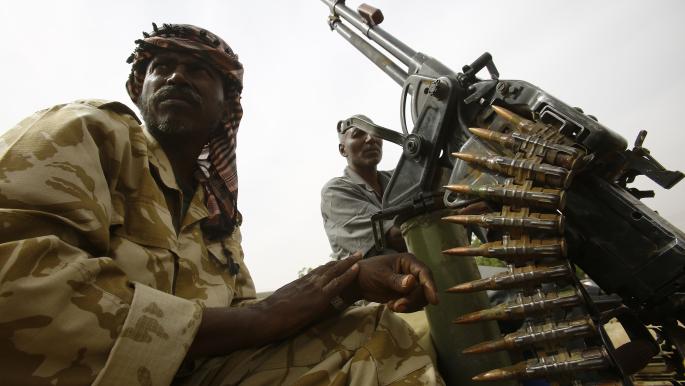
Violence persists in South Darfur, western Sudan, where human rights and humanitarian reports indicate that dozens have been killed and injured, in addition to the displacement of thousands of civilians. These events unfold amid increasing tribal tensions, complicating the humanitarian situation further.
Information suggests that the tribal clashes erupted due to historical disputes among certain tribes, leading to a significant escalation of violence. Disturbing images from the area depict the devastation inflicted on homes and public facilities, reflecting the scale of the humanitarian disaster affecting the region.
Details of the Incident
According to reports, the recent clashes have resulted in the deaths of more than 50 individuals and injuries to dozens, while over 10,000 civilians have been recorded as displaced to safer areas. Humanitarian organizations have expressed deep concern regarding the deteriorating conditions, as the displaced suffer from severe shortages of food and medical assistance.
Calls from human rights organizations are increasing for comprehensive investigations into these events, with some parties accused of fueling the conflict for political or economic purposes. The United Nations has warned that the continuation of violence could exacerbate the humanitarian situation in the region.
Background & Context
Historically, South Darfur has witnessed recurring tribal conflicts rooted in decades of social and economic tensions. These conflicts often relate to natural resources such as water and land, intensifying competition among different tribes.
In recent years, the Sudanese government has attempted to take steps to mitigate these disputes; however, efforts have not been sufficient to halt the violence. Additionally, the volatile political situation in the country, particularly following the political changes in Sudan, has contributed to the worsening security conditions.
Impact & Consequences
The violence in South Darfur significantly affects regional stability, with potential repercussions extending to neighboring countries. The mass displacement of civilians may increase pressures on neighboring nations, threatening regional security.
Moreover, the ongoing violence could hinder development efforts in the region, where local communities are already suffering from poverty and deprivation. The psychological impact on the displaced, particularly children, could be devastating, necessitating urgent responses from the international community.
Regional Significance
The situation in South Darfur is part of the larger picture of humanitarian crises in the Arab world. Ongoing tribal conflicts and violence in Sudan could affect stability in neighboring countries, calling for concerted regional and international efforts to address these crises.
Given the current circumstances, Arab countries must adopt effective policies to support peace and development in Sudan by promoting dialogue among tribes and providing humanitarian assistance to those affected.