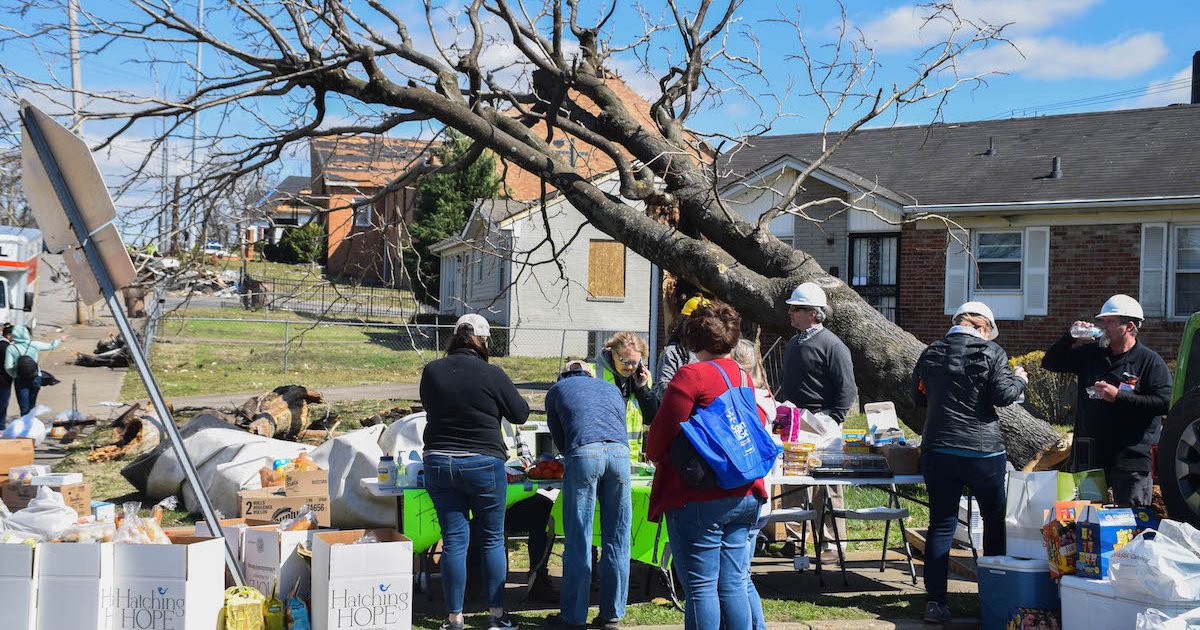
In response to the impacts of the weather low, volunteers from the 'Your Neighbor, the Policeman' initiative supported government efforts with a swift and effective response to climate challenges. This initiative, which brings together citizens and police, aims to strengthen community cooperation and provide assistance to those in need during times of crisis.
Many areas in the country have been affected by a wave of severe weather, resulting in heavy rainfall and increased wind speeds. In this context, volunteer teams from the 'Your Neighbor, the Policeman' initiative mobilized to provide support and assistance to citizens and residents, distributing food supplies and humanitarian aid to affected families.
Event Details
This initiative comes at a critical time, as the country has experienced difficult weather conditions that led to the closure of some roads and disruption of traffic. Spokespersons for the initiative indicated that volunteers distributed aid in the most affected areas, including neighborhoods that witnessed significant water accumulation.
A series of awareness campaigns were also organized for citizens on how to deal with adverse weather conditions, including tips on public safety and procedures to follow during storms. These efforts received significant appreciation from the community, with many expressing their gratitude for the work done by the volunteers.
Background & Context
The 'Your Neighbor, the Policeman' initiative is considered one of the leading community initiatives in the country, aiming to enhance the bonds between the police and the community. This initiative was established as part of the government's vision to promote volunteer work and community participation in various fields, especially during critical times.
Historically, the country has witnessed several instances of severe weather, leading to a culture of cooperation and solidarity among citizens. This culture enhances the community's ability to face natural and social challenges and emphasizes the importance of collective action in times of crisis.
Impact & Consequences
The efforts of volunteers help alleviate the burdens on government agencies, allowing them to focus on rapid and effective responses to crises. These initiatives also reflect the national spirit and solidarity among community members, which enhances the country's ability to face future challenges.
Moreover, citizen participation in such initiatives contributes to building a more cohesive and resilient community, where individuals feel they are part of the solution, thus fostering a sense of belonging and loyalty to the nation.
Regional Significance
The 'Your Neighbor, the Policeman' experience serves as a model in the Arab region, where many countries face similar challenges due to climate change. Such initiatives can contribute to enhancing cooperation among Arab countries in the field of volunteer work and community solidarity.
Additionally, sharing experiences among Arab countries in crisis management can improve emergency response capabilities, enhancing communities' ability to face future challenges.
In conclusion, the 'Your Neighbor, the Policeman' initiative stands out as a successful example of how community solidarity can address crises, reflecting the spirit of cooperation and solidarity that characterizes Arab societies.